A Deep Dive into Angel Wings Canvas Art
Intro
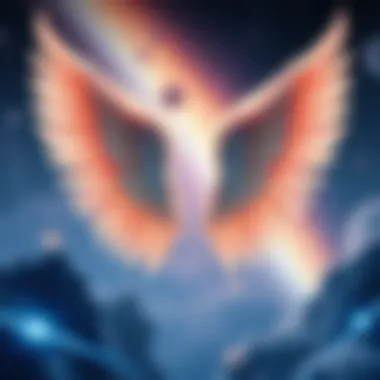
Angel wings canvas art stands at the intersection of aesthetic beauty and profound meaning. As we peel back the layers of this captivating art form, we discover that angel wings symbolize hope, protection, and spirituality. Historically, wings have been depicted in various cultures, resonating deeply with themes of transcendence and divine connection. Through the years, artists have adopted different techniques to express these symbols, evolving them into modern interpretations that speak to contemporary audiences.
In this comprehensive guide, we’ll wander through the annals of angel wings canvas art—from its historical roots to its evolution through various art movements. We will also explore the styles and techniques that define the contemporary landscape of this art form. Furthermore, we'll delve into the practical aspects of incorporating these artworks into your home decor, offering insights into how one can select pieces that mirror personal style while maintaining the emotional resonance that angel wings evoke.
Whether you are an art aficionado or a casual decorator seeking a unique touch for your space, understanding angel wings canvas art can enrich your experience. It’ll provide you with not just decor, but also layers of meaning that resonate with your spirit and sensibility.
The Concept of Angel Wings Canvas Art
When we talk about angel wings canvas art, one cannot overlook how these pieces embody both beauty and a deeper resonance in the art world. This concept stands as a bridge linking various artistic styles, cultural meanings, and emotional connections. Through examining this art form, it becomes clear that angel wings serve not just as visuals but as messengers of feelings and thoughts that can touch viewers in profound ways.
Defining Angel Wings in Art
Angel wings in art encapsulate more than mere depictions of wings. They often symbolize aspirations and the notion of transcendence, representing the journey from the earthly realm to the divine. When a canvas showcases these wings, they typically convey a variety of messages: strength, protection, freedom, and hope. Artists may opt for abstract representations, lending an ethereal quality to the pieces, while others might stick to realistic portrayals that ground the artwork in familiar imagery. In any case, the visual language of angel wings resonates universally across different audiences, owing perhaps to humanity's innate desire to seek meaning beyond the physical world.
Symbolism of Wings Across Cultures
Across latitudes and longitudes, wings have borne symbolic significance in numerous cultures from ancient times to today. Angel wings often make appearances in spiritual dreamscapes, earthly representations, or mythological tales. For example, in Christianity, angel wings symbolize the divine connection between humans and the celestial. They embody God's presence, often seen as protectors guiding individuals through life’s trials. In contrast, in some Native American cultures, wings represent freedom, where spiritual beings soar between the material and spiritual worlds.
"Wings in art serve as powerful emblems, making visible the invisible—our aspirations, hope, and protection."
In contemporary society, angel wings transcend traditional boundaries, appearing in various forms—from tattoos to murals to prominent canvas art—placing emphasis on individuality and personal expression. Artists often draw from various cultural narratives, melding them into a single artwork that may resonate on multiple levels with a diverse audience.
To sum up, the concept of angel wings canvas art holds significant weight as it blends aesthetics with layers of meaning that span generations and cultures. By delving into its historical and cultural contexts, we can garner a greater appreciation of how and why this theme continues to flourish in the artistic landscape.
Historical Evolution of Angel Wings Art
The exploration of angel wings in art is more than just an aesthetic journey; it holds a mirror to the evolution of human belief and cultural expression throughout ages. This evolution provides a framework to understand how these symbols of divine connection and spirituality have transcended time, influencing diverse artistic styles and interpretations.
Ancient Representations
In ancient civilizations, wings were often associated with the divine. In Ancient Egypt, for instance, the winged goddess Ma'at served as a fundamental representation of truth and justice, depicted with large feathers that symbolized balance. Similarly, the wings of the gods in Greek and Roman art showcased not just beauty but the conveyance of messages and the divine.
In Babylonian art, winged beings, known as lamassu, were often carved into palace entrances, serving as protectors against evil spirits. These early manifestations of wings reveal how cultures intertwined the concept of flight with the sacred, establishing an enduring connection that influences today’s interpretations.
These ancient representations were not merely decorative but were loaded with cultural subtext. They represented aspirations for transcendence, protection, and a direct link between earth and the divine.
Renaissance Influences
As we move into the Renaissance period, the portrayal of angel wings took on a renewed grandeur. This era marked a return to classical themes, characterized by the fusion of spirituality and naturalism. Artists like Raphael and Michelangelo painted breathtaking depictions of angels, where wings became symbols of hope and divine intervention.
In Raphael's famous piece, "The Sistine Madonna," the seraphim are depicted with lush, feathered wings, elevating the ethereal quality of the artwork. This period gave way to a more intricate and detailed portrayal of wings - the textures, colors, and emotions were mirrored perfectly, reflecting the artists' desire to connect deeply with the viewer's soul.
The use of symbolism became more pronounced. Wings, often associated with purity, were employed to convey messages of redemption, grace, and love. The Renaissance effectively cemented the aesthetic of angel wings in the collective consciousness, positioning them as vertical motifs of divine connection.
Modern Interpretations
Fast forward to the contemporary era, and the concept of angel wings has morphed into numerous interpretations that resonate across various contexts. Modern artists have taken this age-old symbol and infused it with personal meaning and societal commentary.
Contemporary artists like Kehinde Wiley and Yayoi Kusama have pushed boundaries, using wings in a way that explores issues of identity, race, and spirituality. For example, Wiley's works often feature intricate backgrounds with angelic figures, blending traditional motifs with modern perspectives, inviting dialogue about heritage and representation.
Furthermore, the digital age has seen the rise of angel wings canvas art in popular culture, widely shared via platforms like Instagram and Pinterest. These artworks often serve decorative purposes while resonating with individuals seeking personal meaning. Many find comfort and inspiration in these pieces, which can transform spaces and evoke feelings of tranquility, hope, or encouragement.
While the styles and techniques may have evolved, the essence of wings – as symbols of aspiration, freedom, and connection to the divine – remains unaffected. Today’s angel wings art continues to inspire both personal reflection and communal connection, bridging gaps between the ancient and the modern, offering layers of meaning and emotional depth.
Artistic Techniques in Creating Canvas Art
When diving into the realm of angel wings canvas art, it's essential to grasp the various artistic techniques employed by creators. These techniques not only shape the final aesthetic but also influence the artwork's emotional impact. Understanding these elements can guide collectors and enthusiasts alike, allowing for a deeper appreciation of the craft. From choices in medium to application methods, each technique brings a unique voice to the canvas.
Acrylic vs. Oil Paints
One of the primary choices for artists is between acrylic and oil paints. Acrylics are known for their quick drying times and vibrant colors. They allow artists to layer colors easily, which can be particularly beneficial when depicting the intricate details of angelic wings. Many modern artists opt for acrylics because they offer flexibility in both texture and finish.
On the other hand, oil paints have a rich history, dating back to the Renaissance. They dry slower, giving artists the chance to blend colors seamlessly. This slow drying time can be an advantage when creating depth in the delicate gradations of wing feathers. Both mediums offer distinct advantages:
- Acrylic Paints
- Oil Paints
- Quick-drying
- Easier cleanup
- Water-soluble nature
- Matched well for layering techniques
- Richer color depth
- Longer working time for blending
- Superior durability once cured
Ultimately, the decision between these paints often comes down to personal style and desired effects. Artists may even choose to mix mediums for a harmonious blend of characteristics.
Brush Techniques and Texture Creation
Techniques with brushes can greatly influence the texture and feel of the artwork. Different brush styles create varying effects that can subtly enhance the portrayal of angel wings. For example, a fan brush can be used to create feather-like textures, capturing the ethereal nature of angel wings beautifully. Techniques such as dry brushing can add a sense of softness, giving the pieces a dreamlike quality.
Texture is not merely visual; it can evoke emotional responses as well. An artist's choice of texture can draw viewers in, making them feel the gentle caress of an angel's wings or the powerful presence of a celestial figure. Here are a few techniques to consider:
- Dry Brushing: This involves using a brush with very little paint to create a soft, faded look.
- Impasto: Applying paint thickly can give the wings a more three-dimensional appearance, allowing for light and shadow play.
- Stippling: This technique, which involves applying paint using a series of dots, can create delicate highlights on the contours of the wings.
Digital vs. Traditional Art
In the modern landscape of art creation, digital tools have carved out a significant niche. Digital art allows for quick revisions and a plethora of effects that might be challenging to achieve with traditional methods. Artists can utilize programs like Adobe Illustrator or Procreate to create stunning angel wings designs with precision. The ability to manipulate colors and layers easily makes this technique appealing.
However, traditional art holds a timeless charm that many collectors and art lovers value deeply. The tactile experience of brush on canvas cannot be replicated digitally. Both forms carry their unique merits, and many artists find themselves blending the two to capture the essence of angel wings in versatile ways.
In summary, the artistic techniques employed in creating angel wings canvas art are as diverse as the artworks themselves. Each method, medium, and brush stroke contributes to the narrative the artist wishes to convey, allowing for personal connections and interpretations to flourish.
Contemporary Context of Angel Wings Canvas Art
In today’s rapidly evolving art landscape, angel wings canvas art has carved a unique space for itself. This contemporary context serves as a lens through which we can better appreciate both the aesthetics and deeper meanings of this particular art form. The significance of angel wings in current décor trends is not only about personal expression, but also an embrace of collective spirituality.
The delicate interplay between modern designs and traditional symbolism enriches it's appeal, making these artworks relevant in various spaces, from galleries to homes. Furthermore, as art becomes increasingly accessible, understanding the contemporary context can reveal much about current values and emotional undercurrents within society.
Popularity in the Art Community
Angel wings canvas art has witnessed a significant upswing in popularity recently, catching the eye of collectors, home decorators, and art enthusiasts alike. This can be traced to the universal themes of freedom, hope, and protection that wings symbolize. Artists today are pushing the boundaries, incorporating various techniques and styles that resonate with a broad audience.
- Diversity in Styles: From abstract representations to hyper-realistic interpretations, the styles vary widely. Each artist brings a unique perspective, reflecting their cultural backgrounds and individual experiences.
- Connection with Themes: The popularity is also linked to themes that artists explore, such as mental health, resilience, and connection to the divine. Many see these artworks as reflections of their own journeys, creating a strong bond between the art and its audience.
- Market Demand: Increased demand has motivated artists and manufacturers to create more pieces that cater to this interest, which in turn supports both the artistic community and the wider market.
In short, angel wings canvas art’s presence is a testament to its emotional resonance and cultural significance, establishing it firmly within modern art communities.
Influence of Social Media in Art Sharing
The rise of social media has been nothing short of revolutionary for artists, and angel wings canvas art is no exception. Platforms like Instagram, Pinterest, and Facebook have transformed the way art is shared and discovered, making it possible for creators to showcase their work to a global audience.
- Visual Storytelling: Social media allows for profound visual storytelling. Artists often share the process behind creating their canvas art, which invites engagement and fosters a sense of community.
- Community Building: Artists can connect directly with fans and collectors, forming relationships that transcend geographical barriers. This interaction not only builds a loyal following but often leads to collaborations and art initiatives.
- Trends and Inspiration: Trends are driven rapidly through social media, where hashtags allow works to go viral, imbuing each piece with a sense of cultural relevance. Those who follow these trends find inspiration for their own decor and personal spaces.
“Social media is the new gallery, where each scroll is a chance to experience the imaginative realms of countless artists.”
In essence, social media has fortified the contemporary context of angel wings canvas art, helping it thrive in a time where personal connection and community are central to artistic expression.
By understanding these elements, one can appreciate how this art form continues to evolve, remaining poignant and significant in contemporary culture.
Incorporating Angel Wings Canvas Art into Decor
In the world of interior design, the incorporation of art into one’s living or working space transforms the atmosphere significantly. Angel wings canvas art serves as a captivating focal point that can elevate the aesthetic of any room. When properly integrated, these artworks offer not just visual appeal, but also emotional and spiritual resonance. The choices made in selecting angel wing artworks can influence the ambiance, harmony, and personal expression of your space.
Choosing the Right Size and Style
When it comes to choosing the right size and style, one has to consider both physical and emotional dimensions.
- Space Requirements: First off, a large canvas can command attention, becoming a statement piece that draws the eye. In smaller rooms, opt for more modest-sized pieces that complement rather than overwhelm the space.
- Complementary Themes: The style of the angel wings art should resonate with existing decor. If your home leans toward modern minimalism, you might choose a sleek representation. For a bohemian vibe, consider more intricate or textured pieces that add complexity and warmth.
- Placement: Think about where the artwork will hang. A well-placed piece can tie a room together. Above a sofa or over a bed are classic placements. However, why not try placing it in an unexpected spot, like a hallway or entryway, allowing guests to experience it as soon as they enter your home?
Ultimately, the style and size should reflect personal taste while enhancing the overall aesthetics of your home.
Color Schemes and Aesthetic Compatibility
Color plays a pivotal role in art. Understanding how to align your angel wings canvas art with your existing color scheme can transform an ordinary space into something extraordinary.
- Neutral Tones: Many angel wing artworks feature soft, neutral tones, which can beautifully complement a variety of palettes. If your space uses pastel shades or earthy colors, select artworks that echo these hues.
- Bold Contrasts: Alternatively, if you prefer a splash of drama, go for vibrantly colored wings that pop against neutral walls. This creates a striking focal point that can brighten up a dull corner or add flair to a monochromatic setting.
- Cohesive Flow: Aim for a cohesive feel by ensuring artwork colors resonate with other elements in the room, such as throw pillows or decorative accessories. Incorporating colors from your angel wings canvas art into these smaller details can unify the space elegantly.
"Choosing art isn’t just about aesthetics; it’s also about the emotions they evoke."
In summary, integrating angel wings canvas art into your decor demands thoughtful consideration regarding size, style, color, and placement. Whether you're revamping a room or looking for a singular piece to enhance your home, angel wings artworks can enrich your space with their beauty and meaning.
Emotional and Spiritual Resonance
The significance of emotional and spiritual resonance in the context of angel wings canvas art cannot be overstated. This aspect of art encapsulates the deep connections individuals form with artistic expressions, particularly those that represent something as profound as wings. The imagery evokes feelings that can vary from inspiration to healing, offering much more than just aesthetic appeal. This section provides insight into how angel wings as a motif resonate on levels beyond what meets the eye, offering viewers both introspective reflections and comforting warmth.
The Healing Power of Art
Art has held a notable role in the healing community, serving as a therapeutic medium for those seeking solace or understanding. When it comes to angel wings canvas art, the connection becomes even more special. This type of artwork can symbolize hope and freedom, which are vital for individuals dealing with emotional trauma or stress.
- Healing through visual representation: The imagery of wings is often associated with angels or guardians, suggesting protection and a safe haven. Many find themselves drawn to these paintings during tough times, feeling as if they are receiving support from something greater than themselves.
- Art as a personal refuge: In darker moments, viewers can experience a form of catharsis or release through engaging with art. The simple act of gazing at an uplifting piece can inspire one to reflect, releasing pent-up feelings or harnessing hopeful thoughts. An angel wings canvas art piece on a wall may serve as a daily reminder of resilience and strength.
"Art has a unique ability to reach beneath the surface, helping us unravel emotions that are otherwise tangled and hidden away."
Personal Connection to Spirituality
Angel wings do not just create an outer aesthetic; they often touch the inner sanctum of one's spirituality. Many individuals find that these artworks resonate with their spiritual beliefs. The notion of wings speaks to aspirations as well as transcendent experiences, allowing for a personal connection that can be quite profound.
- Interpreting spirituality: Some see angel wings as a reminder of loved ones who have passed, believing they act as guardians from beyond. This sort of recognition allows for deep personal connections, bringing comfort and a sense of ongoing relationship with the deceased.
- Cultural and personal significance: For artists and buyers alike, the symbolism of wings can differ widely from person to person. There may be a specific cultural reference, or it might relate to an experience that has shaped one's life. Each canvas thus tells a unique story, anchoring the viewer to an exploration of their spiritual journey.
In sum, exploring the emotional and spiritual resonance of angel wings canvas art provides enriching layers of meaning that enhance its value beyond mere decoration. This art speaks to the human experience in a way that is intimate and uplifting, making it a favored choice for spaces of comfort and reflection.
Sourcing and Supporting Artists
In the realm of angel wings canvas art, the importance of sourcing and supporting artists cannot be understated. These artists are the visionaries behind the artworks that capture the ethereal essence of wings, translating them into tangible pieces that resonate with audiences on multiple levels. Supporting them goes beyond mere appreciation; it builds a community where creativity thrives and artistic expressions flourish.
When you choose to invest in canvas art from independent artists, you’re not just acquiring a piece of decor; you’re also fostering an ecosystem where individual expression is celebrated. Each artwork carries the unique fingerprint of the artist, and supporting their craft helps preserve the diversity of artistic styles and perspectives. Many of these artists pour their hearts into their creations, and knowing that you’re contributing to their success can provide a rewarding sense of connection.
Finding Independent Artists Online
The digital age has transformed how art is sourced and purchased. It has become easier than ever to find independent artists online who create angel wings canvas art. Websites like Etsy, Saatchi Art, and Artfinder are treasure troves for anyone looking to dive into original artworks. Engaging directly with artists through social media platforms is also a smart move; Instagram and Pinterest serve as popular venues for artists to showcase their work. When browsing these platforms, consider the following tips:
- Inspect Their Portfolio: Look for a cohesive style. Artists often have a signature touch that makes their work easily recognizable.
- Read Their Stories: Many artists share the inspiration behind their creations. This can deepen your appreciation for the piece you might purchase.
- Engage With the Community: In online art forums or groups on platforms like Reddit, you can ask for recommendations and insights on emerging artists.
By taking these steps, you not only discover unique artworks but also forge connections with the creators themselves.
Importance of Supporting Local Art Communities
Local art communities play a crucial role in fostering creative talent and new ideas. When you choose to support these communities, it’s like watering a garden. The more you nurture it, the more it will flourish. Purchasing works directly from local artists or galleries allows you to appreciate the richness of your local culture while promoting economic sustainability within the community.
Here are some reasons why supporting local art matters:
- Promotes Cultural Diversity: Every artist brings a unique background and perspective that enriches your local art scene.
- Fosters Connections: Meeting artists in your area can lead to friendships and collaborations, which can be personally fulfilling and culturally enriching.
- Economic Growth: Supporting local talent can help keep money within your community, creating jobs and encouraging more people to engage with the arts.
"Every piece of art tells a story. Supporting local artists means supporting those stories."
Investment and Value Assessment
When delving into the realm of art, especially something as evocative as angel wings canvas art, it's essential to grasp the significance of investment and value assessment. Purchasing art is not merely a transaction; it’s about acquiring pieces that resonate with you personally and hold value over time. Understanding both the monetary and emotional worth of a piece is important, influencing the buyer's choice and overall satisfaction.
To begin with, one must consider the authenticity of the artwork. Is it an original piece or a print? Original artworks often fetch a higher value and tend to appreciate over time if the artist gains recognition. In contrast, prints can be more accessible but generally lack the intrinsic value associated with originals.
Another factor to contemplate is the artist's background and reputation. Local artists, especially those who are emerging, might offer affordable pieces compared to established names who may have a history of significant auctions and sales. Notably, investing in lesser-known artists can sometimes yield surprising returns as their careers develop. Keeping abreast of local galleries or following artists on platforms like Reddit provides insight into blossoming talent.
Moreover, the condition of the artwork plays a role in valuation. A canvas can have imperfections or damage that can lower its worth. Potential buyers should always scrutinize pieces closely or consult professionals when necessary. Additionally, trends in the art world can affect the value of specific styles or subjects. Currently, angel wings paintings are appreciated for their uplifting symbolism, making them trendy in various decor styles.
In summary, understanding what drives the value of angel wings can be an enlightening experience, marrying both monetary and emotional significance.
"Art is not what you see, but what you make others see."
— Edgar Degas
Evaluating Artwork for Purchase
The art of evaluating artwork for purchase begins with developing a discerning eye. Here are several critical elements to consider:
- Research the Artist: Understand their style, previous work, and any accolades. This reflection helps gauge the current relevance of the artist in both the local and international scenes.
- Quality of Craftsmanship: Look for meticulous attention to detail in the piece as well as suitable materials. For canvas art, quality paints should be used to ensure longevity, and the canvas should be securely stretched.
- Emotional and Aesthetic Appeal: Does the piece speak to you on a personal level? A deeply meaningful artwork can enhance its overall value through personal connection. Reflect on its place in your space—does it evoke the right emotions or enhance the desired ambiance?
Consider attending art fairs or exhibitions, where you can engage directly with artists and experience pieces first-hand. Indeed, seeing art in a gallery can significantly impact your feelings towards it compared to viewing it online. Familiarizing yourself with art critiques on websites such as Britannica can also offer deeper insights.
Evaluating artwork is unique to each individual, emphasizing the blend of personal taste and industry knowledge.
Long-term Value of Canvas Art
Investing in canvas art, such as angel wings pieces, can serve as both a personal sanctuary and a financial asset. Some considerations regarding the long-term value of such creations include:
- Historical Significance: Art that embodies historical narratives or cultural significance tends to appreciate in value. Angel wings, often depicted with various embodiments, carry rich symbolism, potentially elevating their relevance in art history.
- Market Demand: Trends in home decor have leaned towards ethereal and uplifting art. As more individuals seek to create serene environments, the demand for meaningful pieces like angel wings can increase.
- Emotional Value: Beyond monetary worth, artworks that resonate deeply can often carry emotional value that makes them timeless. They may enhance personal satisfaction and evoke nostalgia as they become intertwined with memories of your life.
- Preservation and Care: Properly maintaining the artwork is crucial to its value. Investing in quality framing and ensuring that the canvas is kept away from direct sunlight can preserve its conditions over the years.