The Advantages of Using Nonstick Egg Rings in Cooking
Intro
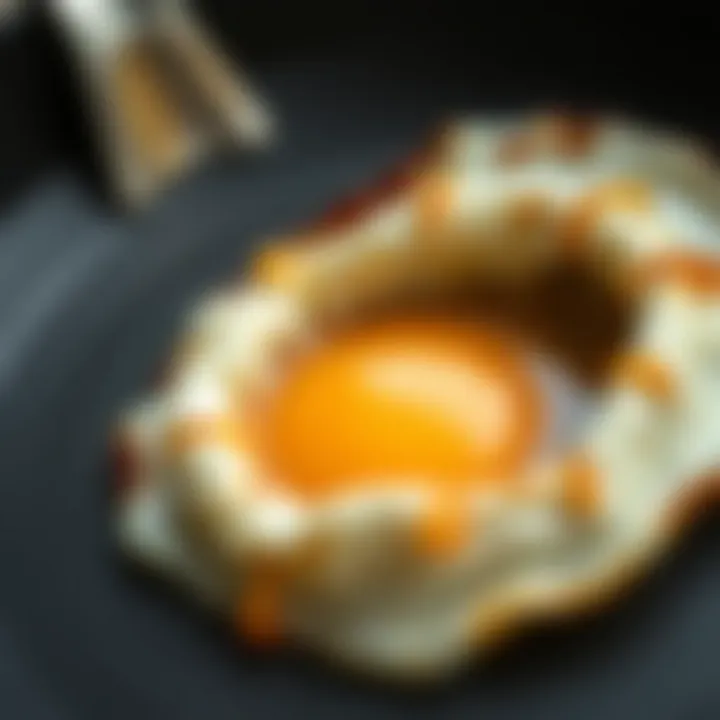
Nonstick egg rings have gained traction for their ability to effortlessly create neatly shaped eggs, making them a favorite among those who enjoy a well-presented breakfast. Imagine plopping down at your breakfast table and being greeted by perfectly round, golden-yellow fried eggs that rival any diner’s specialty. These tools can elevate the simplest of meals, enhancing the presentation without any extra hassle.
Given their popularity, it’s pertinent to delve into what makes these rings not just a passing trend, but an essential item in the kitchen arsenal. This article will guide you through their practical applications, benefits, and even tips on maintenance. You’ll come away with insights that could transform your cooking habits, making the morning rush a touch more manageable.
Let’s begin by understanding what exactly nonstick egg rings are and the practicality they offer.
The Basics of Nonstick Egg Rings
Nonstick egg rings are typically made from silicone or coated metal. Their primary function is to hold the shape of egg dishes, such as poached or fried eggs, ensuring they maintain a neat appearance while cooking. The nonstick surface is designed to prevent the egg from sticking, allowing for easy removal and cleaning. This feature is particularly crucial for those who yearn for hassle-free cooking experiences.
Construction Materials
- Silicone: Flexible, heat-resistant and durable. Silicone egg rings can withstand high temperatures and are often dishwasher safe. They come in various shapes and sizes, adding a fun twist to egg preparation.
- Coated Metal: Typically aluminum or stainless steel with a nonstick coating. These rings often provide a bit more stability during cooking. However, they require slightly more care to maintain the nonstick surface and avoid scratching.
The choice between these materials can influence your cooking experience, depending on whether you prioritize flexibility or sturdiness.
Practical Applications
The versatility of nonstick egg rings goes beyond just shaping eggs. Here are some creative ways to use them:
- Breakfast Sandwiches: Use them to make perfectly round egg patties for breakfast sandwiches.
- Pancakes: With some practice, you can also use them for even pancake portions.
- Vegetable Stacks: Create beautiful layers of vegetables or proteins, which can enhance plating in meals beyond breakfast.
- Desserts: Think of them as molds for individual servings of desserts, like mousses or gelled treats.
"A nonstick egg ring is not just a time-saver. It turns cooking into an art form."
By harnessing their potential, your breakfast spread can become the highlight of your morning routine.
Care and Maintenance
To ensure longevity and performance of your nonstick egg rings, proper care is essential. Here are some maintenance tips:
- Cleaning: For silicone, a simple wash with warm soapy water suffices. For coated metal, avoid abrasive materials to preserve the nonstick surface.
- Storage: Stack silicone rings for space-saving solutions, while metal ones should be kept separate to avoid scratches.
- Avoiding High Heat: While they’re designed for frying and sautéing, excessive heat can degrade the nonstick coating over time.
These few simple steps can help extend the life of your egg rings, ensuring they remain a staple in your kitchen for years to come.
As you can see, nonstick egg rings bring a wealth of benefits to the table, making them far more than just a cooking accessory. Embracing their functionality can enhance not just your egg-cooking game but your overall cooking experience.
Understanding Nonstick Egg Rings
Nonstick egg rings represent a fascinating intersection of practicality and culinary innovation. They are tools that not only make cooking eggs simpler but elevate the entire experience. The importance of understanding these versatile kitchen gadgets lies in their multifunctional nature and ease of use, which can transform the method of preparing breakfast, lunch, or any meal featuring eggs.
Understanding the utility of nonstick egg rings is essential for anyone looking to perfect their culinary skills. These rings provide structure during the cooking process, allowing for uniform shapes and consistent cooking results. This structural aid is especially vital when creating dishes like eggs Benedict or breakfast sandwiches, where the aesthetic presentation matters just as much as the taste.
Moreover, delving into nonstick materials opens a dialogue about health and dietary considerations. Knowing what goes into the making of these rings can guide a person towards healthier cooking practices.
Definition and Purpose
In straightforward terms, a nonstick egg ring is a circular kitchen tool designed to hold eggs in a defined shape while they are being cooked. The purpose is manifold: to ensure an even cooking process, prevent the eggs from spreading, and simplify the flipping process. The design usually reflects a thoughtful consideration for both function and aesthetics. Not only do they help in cooking eggs, but they can also be utilized to shape and cook other foods such as pancakes or burgers, giving them a distinct edge.
The nonstick feature minimizes the mess typically associated with cooking, leading to easier cleanup and a more enjoyable experience overall. The rings help in achieving pleasing results, which is an invaluable asset whether you are a novice cook or a professional chef.
Historical Context
The concept of cooking eggs in molds has been around for ages, likely originating at the dawn of organized culinary practices. The early forms were rudimentary and often made from materials like clay or metal sheets, designed by home cooks who sought more control in their culinary creations. However, the modern nonstick egg ring emerged as part of the broader evolution of cookware aimed at convenience and efficiency.
With the advent of nonstick coatings in the mid-20th century, egg rings underwent a transformation. Manufacturers began utilizing materials like Teflon, which offered less friction, making the cooking process seamless and almost foolproof. As the technology progressed, nonstick egg rings became more prevalent in homes and professional kitchens alike, cementing their place as a must-have kitchen accessory.
Thus, understanding nonstick egg rings provides insights into not just their practical functionality, but also their evolving role in the culture of cooking. Today, they are emblematic of a trend towards convenience without compromising quality, showcasing how far culinary tools have come and how they continue to adapt to modern needs.
Materials Used in Nonstick Egg Rings
Understanding the materials that make up nonstick egg rings is crucial not just for durability but also for how effectively they perform in the kitchen. When you pick up a nonstick egg ring, you might not think twice about what it's made of, but this choice can define whether your breakfast is a masterpiece or a sticky mess. Materials affect heat distribution, ease of cleaning, and the overall experience of cooking.
Types of Nonstick Coatings
Nonstick coatings are generally divided into a few main categories. Each has its benefits and drawbacks, which can play a significant role in your cooking journey. Here are some of the most common types:
- Teflon (PTFE): This is perhaps the most recognized nonstick coating. Teflon is renowned for its smooth surface that prevents sticking, making it perfect for dishes like eggs. However, it’s important to be cautious with high heat, as overheating can degrade the coating.
- Ceramic: An increasingly popular alternative, ceramic coatings are made from natural materials. They’re often touted as safer and more environmentally friendly. Plus, ceramic doesn't release toxins when heated, making it a strong contender in the health-conscious cooking community.
- Silicone: Flexible and highly heat-resistant, silicone is a favorite for many users. It’s dishwasher safe, which means cleaning up is typically easier. While it may not offer the same level of nonstick performance as Teflon or ceramic, it’s certainly functional for egg rings.
- Anodized Aluminum: This material offers the benefits of metal along with a nonstick coating, resulting in good heat conduction. It’s essential to be mindful, however, that scratches can occur if metal utensils are used.
When choosing a nonstick egg ring, the coating type should be a priority. Each material offers something different, and you should evaluate your cooking style and preferences.
Durability of Materials
Durability is another critical factor to consider. Nonstick egg rings are made to withstand the rigors of daily cooking. However, various materials bring different characteristics to the table.
- Heat Resistance: Some materials, like silicone and ceramic, offer excellent heat resistance, which means they can tolerate higher temperatures without deteriorating. Nevertheless, Teflon can begin to warp or degrade if subjected to excessive heat for prolonged periods.
- Scratch Resistance: Egg rings made from anodized aluminum are often more scratch resistant compared to those with a traditional Teflon coating. If you frequently find yourself using metal spatulas or crispy cooking techniques, investing in a more robust material can save you headaches in the long run.
- Longevity: If you frequently cook, it’s ideal to choose materials that don’t lose their nonstick properties over time. Ceramic coatings tend to have a longer lifespan and can generally handle higher cleaning pressure, making them less likely to chip or fade.
Advantages of Using Nonstick Egg Rings
Nonstick egg rings are more than just a kitchen accessory; they are a game changer for anyone who spends time in the kitchen, whether you are a professional chef or a home cook. These rings contribute to the ease and precision that enhances the cooking experience, making meals more enjoyable and visually pleasing. Let’s dive into two of the prominent advantages that make them indispensable in cooking eggs and beyond.
Uniform Cooking
One of the most significant advantages of using nonstick egg rings is their ability to ensure uniform cooking. When you crack an egg into the ring, it stays confined within the circular shape, paving the way for a perfectly shaped egg. The heat distribution is more consistent compared to frying an egg without one. This leads to a beautifully cooked egg white while the yolk maintains its desired consistency, all without the chaotic spread one may encounter on a flat skillet.
Moreover, this uniformity extends beyond just appearances. The consistent thickness allows for even cooking, meaning both the whites and yolks achieve their optimal doneness at the same time. This is particularly helpful when preparing items like sunny-side-up eggs; the risk of overcooking the edges while waiting for the yolk to set is significantly reduced. In addition, the use of these rings allows for creative culinary presentations. By maintaining a neat and tidy appearance, they're perfect for breakfast plates intended to impress—think brunch gatherings or even breakfast in bed.
"Cooking is an art, and presentation is key. Nonstick egg rings help artists present their work!"
Ease of Use
The ease of use is another compelling reason to embrace nonstick egg rings. These products often come with user-friendly designs, making them accessible for everyone, from seasoned cooks to those barely knowing how to scramble an egg. With nonstick properties, food can slide effortlessly out of the ring once cooked, minimizing the risk of damaging the delicate when you attempt to lift them off the pan.
Most rings can be placed directly on a stovetop or in an oven, and they’re typically constructed to withstand varying levels of heat, which heightens their versatility. Furthermore, cleaning them after use is usually a breeze. A quick rinse or a wipe with a sponge is often all it takes due to the nonstick surface. This practicality means less time spent scrubbing and more time enjoying your meals or tending to other tasks.
In summary, nonstick egg rings simplify cooking while amplifying the end result to a professional level. They are essential for anyone looking to boost their culinary skills and precision in meal preparation.
Types of Nonstick Egg Rings
When it comes to cooking with nonstick egg rings, understanding the different types available can enhance your culinary adventures. Each style serves a particular purpose and offers distinct advantages depending on what you aim to achieve in the kitchen. Knowing the specific elements of various nonstick egg rings can help you make more informed decisions, ensuring that your breakfast creations turn out just the way you want.
Standard vs. Specialty Shapes
Standard shapes, like circles, are your classic approach when it comes to egg rings. They’re typically easy to find and quite versatile. Much like a trusty skillet, you can rely on them for perfect round fried eggs, making them staples in most households.
However, specialty shapes have carved their own niche, bringing a dash of creativity to your breakfast. Think heart-shaped rings for Valentine's Day or star-shaped for a fun kid-friendly meal. These unique designs can elevate not only the visual appeal of your dishes but also make meals more captivating for guests or children.
Using specialty shapes might require a touch more care; they may not fit as snugly on your skillet or griddle. Life's quirks often come into play, where using a heart-shaped egg ring means being extra cautious while flipping it. But the payoff? Substantial—those breakfast plates will sing with charm, catching the eye before the first bite.
Consider these points:
- Versatility: Standard shapes offer reliability, while specialty shapes offer fun.
- Ease and Effort: Standard rings tend to be user-friendly, whereas specialty ones may demand a delicate touch.
- Presentation: Specialty shapes make for visually stunning plates.
Adjustable Designs
Adjustable egg rings bring a layer of convenience that can’t be overlooked. These rings allow you to change their size based on what you’re cooking. Unlike their fixed counterparts, adjustable designs cater to both large and small eggs, providing flexibility for different meal sizes.
Think about breakfast burritos or open-faced sandwiches. When you prepare larger portions, a simple twist on an adjustable egg ring gives you the ability to go big without stressing over cooking times or uneven shapes. This is particularly useful when your skillet is running out of real estate—an adjustable ring can save the day.
Moreover, many adjustable designs incorporate nonstick surfaces that make cooking and clean-up a breeze. They balance functionality with ease of use, making them ideal for those mornings when you’re rushing to get breakfast on the table.
Some takeaways of adjustable egg rings include:
- Size Flexibility: Empower cooks to adapt sizes on the fly.
- Convenience: Reduces clutter with a single adjustable ring that serves multiple purposes.
- Efficient Cooking: Perfect for accommodating various culinary needs and sizes.
As you explore the myriad types of nonstick egg rings, allowing yourself to experiment with both standard and adjustable designs can vastly broaden your culinary horizons.
Applications Beyond Eggs
Nonstick egg rings are typically associated with frying eggs; however, their utility extends far beyond this common use. Understanding the various applications of these rings can not only enhance your cooking experience but also introduce you to new culinary avenues. The versatility of nonstick egg rings makes them an essential tool in any kitchen.
Use in Pancakes and Burgers
In many households, breakfast is often synonymous with pancakes. Nonstick egg rings simplify the process of making perfectly circular pancakes, allowing for a consistent size and shape every time. By placing an egg ring on a hot skillet, you create a uniform cooking area that traps the batter, leading to well-formed pancakes that stack nicely on a plate. You’re not only ensuring fewer spills and mess, but also enhancing presentation—no one wants a lopsided breakfast, after all.
Similarly, nonstick egg rings can be utilized for crafting patties when making burgers. Whether you’re using ground beef, turkey, or even a plant-based option, these rings create burger rounds that cook evenly, reducing the likelihood of flare-ups or unevenly cooked meat. This technique ensures that your ingredients are contained, making it easier to flip them without risking a catastrophe.
Creative Culinary Uses
Beyond the typical breakfast items, the versatility of nonstick egg rings opens doors to a wealth of imaginative culinary applications. Here are a few unique ideas:
- Vegetable Frittatas: Use the rings to create mini-frittatas packed with seasonal vegetables. These bite-sized, oven-baked creations can make for excellent meal prep options or simple appetizers.
- Cheesy Risotto Cakes: Shape leftover risotto into cakes using egg rings, then crisp them up in a pan for a delightful dinner side.
- Layered Desserts: Get creative with sweet components by using the rings as molds for layered desserts such as mousse or panna cotta, allowing you to construct desserts that are as visually appealing as they are delicious.
"The culinary world is yours to explore using nonstick egg rings as a starting point. Let your imagination guide you!"
Whatever your choice, the underlying benefit remains constant: nonstick egg rings provide a simple yet sophisticated method to elevate your cooking game. They allow for innovative presentations and efficient cooking, all while maintaining the ease of use that home cooks cherish. This opens a dialogue about culinary creativity that extends far beyond the realm of breakfast, making these tools invaluable in today's kitchens.
Cooking Techniques with Egg Rings
Using nonstick egg rings isn't just about shaping eggs into neat circles; it's a clever technique that enhances the overall cooking experience. By mastering various cooking methods, individuals can not only improve their culinary skills but also create mouthwatering dishes with ease. From perfectly fried eggs to oven-baked delights, the versatility of egg rings allows home cooks to explore texture and flavor in innovative ways.
Stovetop Methods
When it comes to stovetop cooking, nonstick egg rings offer a straightforward solution to achieve consistent results. The process is often as simple as heating your pan and placing the ring down before cracking in the egg. The benefit of using a nonstick surface is evident since it minimizes the risk of messy clean-up and promotes even cooking. Here is a step-by-step on how to effectively utilize stovetop methods:
- Preheat the Pan: Start by heating your skillet over medium heat. A hot pan is crucial for ensuring that the egg cooks evenly and prevents sticking.
- Add Oil or Butter: Lubricate the pan lightly with oil or butter to create a barrier. This additionally contributes to the flavor.
- Position the Ring: Place the egg ring on the hot surface and let it sit for a moment. This helps heat the ring itself and enhances the cooking process.
- Crack the Egg: Gently crack an egg into the ring. If you want to get fancy, you could try adding diced vegetables or cheese at this point, taking your egg dish a notch higher.
- Cook to Desired Doneness: Cover with a lid to encourage the egg to cook through without flipping. Keep an eye on it; usually, about 4-6 minutes is sufficient for a medium sunny-side-up egg.
Using egg rings this way can elevate not just the aesthetic of your breakfast but also provide better portion control and make for easier serving.
Oven Baking Techniques
When the stovetop isn't your style, or you feel like whipping up several egg dishes at once, baking them in the oven is a game-changer. Here's where a nonstick egg ring really shines— it allows for perfectly cooked eggs without the need to babysit a hot pan. To excel at oven-baking with egg rings, follow these simple guidance:
- Preheat Your Oven: First, set your oven to 350°F (175°C) to get a steady heat going.
- Prepare a Baking Sheet: Line the baking sheet with parchment paper or lightly grease it. This prevents any sticking, even with nonstick rings, and simplifies cleanup.
- Arrange the Rings: Place your nonstick egg rings on the baking sheet. Make sure they are evenly spaced for good airflow and heat distribution.
- Fill the Rings: As with stovetop methods, crack an egg into the rings. You might opt to add ingredients such as cooked ham or sautéed spinach to create a more filling dish.
- Bake: Slide the sheet into the oven and let them bake for about 10-15 minutes, depending on how you like your yolks. This method can yield several servings at once.
By baking, you're not just saving time; you're also freeing yourself from the constant attention required by the stovetop, making it a great choice for brunch gatherings or busy mornings.
Cooking with egg rings, whether on the stovetop or in the oven, opens doors to culinary creativity without sacrificing quality.
In both techniques, egg rings facilitate a clean and efficient cooking process, ensuring that the eggs maintain their shape and texture while allowing for various accompaniments. This versatility underscores their indispensable role in the kitchen.
Cleaning and Maintenance Tips
Maintaining nonstick egg rings is essential for maximizing their lifespan and functionality. Without proper care, nonstick surfaces can degrade, and that can lead to food sticking, making your cooking experience far more challenging. By implementing a few easy practices, you ensure that your egg rings stay in top-notch condition, allowing you to whip up perfectly shaped eggs time and again.
Proper Care Instructions
To preserve the integrity of your nonstick egg rings, it’s crucial to clean them correctly after each use. Here are some steps you can follow:
- Cool Down First: Allow the egg rings to cool completely before cleaning. Trying to wash them while hot can lead to warping or even burns.
- Soft Sponges Only: Use only soft sponges or cloths to scrub the surface. Anything abrasive can scratch the nonstick coating.
- Mild Detergents: A simple dish soap mixed with warm water works wonders. Avoid harsh chemicals or scrubbers that could damage the coating.
- No Soaking: Soaking your rings can trap moisture, leading to rust or deterioration over time, especially if they have any metal components.
- Dry Immediately: Once clean, dry your egg rings thoroughly before storing. This prevents the buildup of moisture and potential corrosion.
By following these care instructions, you can keep your nonstick egg rings functioning effectively and extend their usable life.
Storage Recommendations
How you store your nonstick egg rings is just as important as how you clean them. Proper storage can prevent scratches, maintain their shape, and ensure they are always ready when you need them:
- Flat Storage: Ideally, store egg rings flat in a drawer or a cabinet. If stacked, use a layer of cloth in between to reduce friction.
- Hanging Options: If space permits, consider hanging them from hooks. This not only saves space but also helps maintain their shape.
- Avoid Tight Spaces: Don’t cram them into tight spots where they can be bent or warped.
- Organized Containers: Using a dedicated container can also help keep them safe and free from scratches. This is especially important if you have multiple sizes.
In summary, taking care of your nonstick egg rings through proper cleaning and thoughtful storage can greatly enhance your cooking experience. It may seem like a small detail, but it certainly impacts how enjoyable and efficient your kitchen time can be. The right maintenance measures are key to unlocking the full potential of these kitchen tools.
Choosing the Right Nonstick Egg Ring
Selecting the right nonstick egg ring can make all the difference in your culinary experience. The options available can be overwhelming, especially for those who are new to using these handy tools. It is crucial to choose one that not only fits your cooking style but also meets your expectations for quality and durability. The right egg ring can enhance your cooking efficiency, ensuring that your eggs are perfectly shaped every time.
When it comes down to it, picking an egg ring involves some key factors. Functionality, material quality, and size options are essential considerations. Remember, you want a product that does the job well, while also being easy to clean and maintain.
Factors to Consider
Here are significant points to keep in mind as you embark on your search for the perfect nonstick egg ring:
- Material Quality: Look for rings made from durable, heat-resistant materials. Silicone and stainless steel are both excellent choices. Silicone tends to be lighter and easier to handle, while stainless steel provides sturdiness through years of use.
- Size: Egg rings come in various sizes from small to large. Depending on whether you want to cook a single egg, a larger breakfast sandwich, or even pancakes, you'll need to decide what size fits your needs.
- Shape: While classic round shapes are popular, consider whether you want a fun shape, like a heart or star. Specialty shapes can add a touch of whimsy to your meals.
- Handles: Some egg rings feature handles, which make for easy removal from the hot pan. A good handle is essential, especially when working with hot pans to avoid burns.
- Nonstick Coating: Not all nonstick coatings are made equal. It’s good to know if the coating can withstand high temperatures and how it holds up over time.
- Versatility: Consider how you plan to use the egg rings. Can they be used in the oven as well as on the stovetop? Versatile options might offer better value for your money.
Comparative Brands
Comparing brands is not just about price; it's also about features and reviews from other users. A brand like RSVP International offers high-quality stainless steel options, known for durability and effective nonstick surfaces. On the other side, Oxo Good Grips specializes in user-friendly designs with silicone options that are ideal for easy handling.
Here are a few comparisons on what some brands offer:
- RSVP International: Sturdy stainless steel, great for high-heat cooking.
- Oxo Good Grips: Silicone construction for easy release; handle design for safe removal.
- Tovolo: Colorful silicone options, designed specifically for fun shapes.
- Norpro: Known for affordability, offers both standard and specialty shapes.
Don't forget to check reviews and ratings from past users. Their firsthand experience can provide valuable insights into the effectiveness and durability of each brand.
Choosing the right nonstick egg ring should feel more like a thoughtful decision rather than a rushed choice. Take your time, consider your needs, and you'll find the perfect match. Your breakfast—or any meal, for that matter—will greatly benefit from the right tools.
Safety Considerations
When it comes to kitchen tools, safety should always be at the forefront of every cook's mind. This is especially true for nonstick egg rings, which many use without giving a second thought to their safety aspects. Understanding the considerations around the use of these tools can significantly enhance not only the cooking experience but also overall kitchen safety.
Health Risks of Coatings
Nonstick egg rings typically feature coatings designed to facilitate easy release of food without sticking. However, some of these coatings, particularly those made with polytetrafluoroethylene (PTFE), can come with health concerns if misused. Overheating nonstick cookware can lead to the breakdown of the coating, which may release toxic fumes. Symptoms of exposure can range from mild inconvenience to more serious health issues, depending on the amount and duration of exposure.
It's crucial to ensure that the egg rings are used at the correct temperature. Most reputable manufacturers provide guidelines determining safe usage temperatures. Sticking to these recommendations ensures durability and safety, as excessive temperatures can damage not only the egg rings but also pose a risk to the health of anyone in proximity.
"Safety in the kitchen isn’t just about avoiding cuts and burns; it’s about ensuring the tools you use are safe, too."
In addition to what’s mentioned, some people may have specific sensitivities to chemical substances found in coatings. Choosing egg rings that are labeled as non-toxic or made from safer materials can mitigate these risks. Alternatives such as silicone or ceramic egg rings are becoming increasingly popular, as they often withstand heat better without harmful emissions.
Heat Resistance Limits
Another aspect to consider is the heat resistance of nonstick egg rings. It is essential to understand each product's limits, as different brands and materials have varying thresholds. When an egg ring exceeds its heat resistance limits, it can warp or release harmful substances, nullifying the very benefits for which it’s designed.
Most nonstick egg rings have specific heat resistance ratings. For those manufactured from silicone, for example, they can generally withstand higher temperatures compared to PTFE-coated options. Knowing these specifications allows cooks to choose the right tool for the job, maintaining both the integrity of the ring and the safety of the food.
Some key points to remember:
- Always check the manufacturer's instructions for heat limits.
- Avoid preheating an empty nonstick egg ring, as direct high heat can warp the material.
- Replace any egg rings showing signs of wear or damage, as compromised coatings can lead to serious health risks.
By being mindful of health risks associated with coatings and respecting heat resistance limits, one can safely enjoy the convenience and functionality of nonstick egg rings in the kitchen.
Frequently Asked Questions
The section on Frequently Asked Questions is essential in providing clarity and addressing any uncertainties readers might have regarding nonstick egg rings. This tool has many facets, from varied designs to unique applications in the kitchen. Breaking down complex information into manageable queries enhances comprehension and practical application, ensuring users can maximize their culinary endeavors with ease as well as confidence.
Common Queries About Use
Many users often wonder how to correctly use nonstick egg rings to achieve the best results in their cooking. One frequent question is: "How do I prevent my eggs from sticking to the ring?". This is a key concern as cooking with nonstick adds a layer of convenience. To avoid sticking, first ensure the ring is well-coated with cooking spray or a small amount of oil before placing it in the pan. Allow sufficient time for the egg to cook before attempting to remove the ring. If it seems stubborn, using a spatula can help in loosening it gently.
Another common query is: "Can I use nonstick egg rings on a grill?". Absolutely! Nonstick egg rings are versatile and can be placed on a grill as long as they are made of materials that can withstand higher temperatures without melting. However, keep an eye on them as the intense heat could affect the material over time.
Some cooks also ask: "What other foods can I use egg rings for?" Besides eggs, these rings can serve well for pancakes and burgers, assisting in making uniformly-shaped patties. They're also handy for creating layered breakfast sandwiches or even mini quiches. Thus, nonstick egg rings can streamline variety in your cooking
Troubleshooting Common Problems
Despite their advantages, users can sometimes face challenges when using nonstick egg rings. One major issue that arises is the "ring warping" over time due to high heat or improper storage. To prevent this, one should always follow the manufacturer’s heating recommendations and store them in a flat manner.
If the ring does warp, it can lead to distorted shapes, affecting presentation. An effective workaround might involve tweaking the cooking method or simply replacing the ring if it’s beyond recovery. To keep the ring in shape, beware of placing heavy items on top of them in storage.
Another problem users encounter is the "uneven cooking" of eggs or other foods. This may happen if the heat source is not evenly distributed. It's often best to use a pan with a heavy base or to rotate the ring periodically while cooking for uniform results.
"The best way to avoid common problems is to be mindful of the tools and methods one employs during cooking. Good habits yield great results."
A common troubleshooting tip is remembering to preheat pans adequately before placing the ring; it aids in achieving desired browning and ensures an easy release after cooking.
Users have also been known to ask about cleaning stubborn residue on their nonstick egg rings. A simple soak in warm soapy water usually does the trick, followed by a soft cloth scrub. Avoid using abrasive materials which can scratch the coating. Alongside proper care, this can extend the life of the egg rings significantly.
Future Trends in Kitchen Tools
As we navigate through the complexities of modern cooking, there's an increasing need to stay ahead of the curve, particularly when it comes to tools like nonstick egg rings. Understanding the future trends in kitchen tools not only enhances our cooking efficiency but also improves the quality of our culinary creations.
When it comes to nonstick egg rings, several specific elements emerge that promise to define the future. These elements encompass technology advancements, evolving consumer preferences, and sustainability efforts.
Innovations in Cooking Technology
The kitchen landscape is rapidly evolving thanks to technology. Innovations in cooking tech are enabling kitchen tools to become not only more efficient but also smarter.
- Smart Sensors and Connected Devices: With the rise of smart kitchen gadgets, expect to see egg rings that can communicate with other appliances. Imagine a nonstick egg ring that signals your stovetop when the eggs are perfectly cooked or suggests recipe modifications based on the time of day.
- High-Temperature Tolerance Materials: Advancements in materials science could lead to coatings that withstand higher temperatures, thereby enhancing the cooking performance of nonstick egg rings. This ensures that even the keenest home chef can create that perfect egg without the fear of the nonstick layer peeling away.
- Enhanced Nonstick Surfaces: New surface technologies, like ceramic or titanium coatings, offer improved durability and nonstick properties. This means eggs slide out without a hitch, and cleanup becomes mere child's play.
The impact of these innovations reaches far beyond the realm of convenience; they redefine the entire cooking experience, making culinary pursuits more enjoyable.
Sustainability in Kitchen Products
In today's eco-conscious world, sustainability isn't just a passing trend—it's a movement that's reshaping consumers' purchasing decisions. The demand for environmentally friendly kitchen tools, including nonstick egg rings, is surging.
- Recyclable and Biodegradable Materials: Manufacturers are exploring materials that are not only functional but also eco-friendly. Imagine egg rings made from plant-based polymers that not only perform well but also break down after their lifespan, leaving no harmful residue.
- Reduction of Chemical Coatings: As awareness rises regarding the health risks associated with certain chemical coatings, companies are opting for safer, non-toxic alternatives. This shift ensures that what you're cooking with is as healthy as what you're cooking.
- Energy Efficiency: Future kitchen tools are likely to be designed with energy efficiency in mind. This includes nonstick egg rings that can be used effectively with less energy consumption, thus minimizing the carbon footprint in the kitchen.
By considering sustainability in future kitchen tools, consumers are not just purchasing a product; they are investing in a healthier planet.
Epilogue
In this article, we have traveled through the intricate world of nonstick egg rings and their multifaceted advantages. Understanding their construction, materials, and applications allows not just culinary enthusiasts, but anyone dabbling in the kitchen to elevate their cooking game. From uniform cooking to easy cleanup, these unassuming kitchen tools pack a punch in functionality.
Key considerations include the choice of material, safety features, and maintenance. Each of these aspects can significantly impact both the cooking process and the final outcome. Moreover, investing in a good-quality egg ring can save time and effort, making mornings a little smoother and breakfasts much more enjoyable.
"A good meal begins with the right tools. Nonstick egg rings are a prime example of this philosophy in action."
When you grasp the benefits and functionalities of nonstick egg rings, it becomes clear that they hold their own in kitchens across the globe. Their role transcends beyond merely shaping eggs; they inspire creativity, simplify cooking, and elevate everyday meals into something special.
Summation of Key Points
- Versatility: Nonstick egg rings aren't just for eggs anymore; they work wonders with pancakes, burgers, and even creative dishes.
- Uniform Cooking: They ensure consistent heat distribution, leading to evenly cooked food, which is a treat for both the eyes and the palate.
- Ease of Maintenance: Most nonstick egg rings offer a hassle-free cleanup process. A simple wipe or wash can have them ready for action again.
- Diverse Options: From standard shapes to adjustable designs, there’s an egg ring for every culinary whim.
By incorporating these tools into regular kitchen routines, one can not only impress during breakfast but also expand culinary horizons. The possibilities are endless.
Ongoing Relevance in Culinary Practices
In today's fast-paced lifestyle, efficiency in the kitchen is key. Nonstick egg rings serve as a testament to how simple tools can revolutionize everyday cooking. As trends lean towards healthier lifestyles and exciting culinary experiments, these rings remain relevant. They cater to various dietary preferences and allow individuals to experiment without the fear of a messy kitchen.
Moreover, with the growing focus on sustainable cooking, many brands are transitioning towards eco-friendly materials in their product lines. This shift not only ensures health safety but also augments the longevity of these kitchen essentials.
To truly harness the advantage of nonstick egg rings, consider their role not just in omelets but as versatile tools that invite creativity into everyday meals. In essence, they are more than mere kitchen aids; they are instruments of culinary expression.
In a nutshell, as we look ahead, nonstick egg rings are set to remain a mainstay in our cooking arsenal, inviting generations to explore their potential in delightful and delicious ways.