
Circle Epoxy Molds: Versatile Tools for Fashion & Craft
Intro
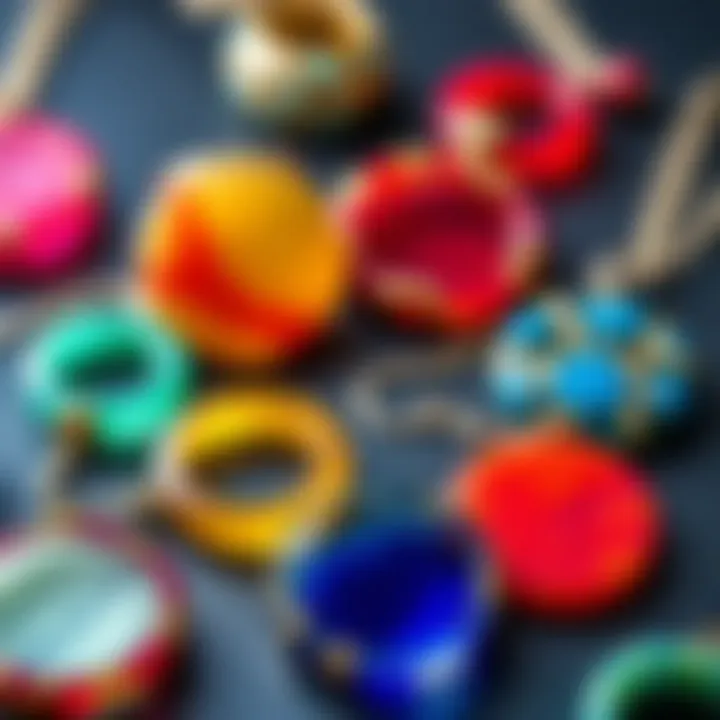
Circle epoxy molds have emerged as a groundbreaking tool in the realms of fashion and crafts, captivating both professionals and hobbyists alike. These molds, often crafted from durable materials like silicone or hard plastics, offer unique opportunities for creativity and innovation. Unlike traditional crafting techniques, circle epoxy molds allow creators to explore shapes and dimensions that push the boundaries of artistic expression.
The versatility of these molds goes beyond mere aesthetic appeal; they enable a deeper engagement with various materials. From resin to paints, the possibilities are nearly limitless. As we delve into this topic, we will not only examine the structural design of such molds but also discuss their many applications in contemporary fashion and crafts. This article aims to provide valuable insights and practical advice, helping creators harness the full potential of circle epoxy molds in their projects, whether it’s revamping a wardrobe, creating stunning accessories, or designing unique home decor items.
Understanding Circle Epoxy Molds
Grasping the concept of circle epoxy molds is foundational for anyone diving into the world of crafts and fashion. These molds are not merely tools; they open the door to unlimited creativity and self-expression. By understanding them, creators can navigate their usage, improve their designs, and ultimately produce work that stands out in both craft fairs and online platforms.
Definition of Circle Epoxy Molds
Circle epoxy molds are specialized formations crafted from materials such as silicone or plastic that allow for the pouring of epoxy resin into a circular shape. These molds come in various sizes and depths, catering to a range of artistic endeavors—from jewelry to home decor. The primary allure lies in their ability to capture intricate details during the curing process, often resulting in stunning pieces that can reflect light beautifully and accentuate embedded elements.
These molds simplify the crafting process. Creators pour the mixed epoxy resin into the mold, wait for it to harden, and then demold the finished item. This straightforward method enables artisans to produce consistent, high-quality objects, encouraging experimentation with colors and textures. As a versatile backbone in the crafting toolkit, circle epoxy molds can serve a variety of purposes.
Historical Context and Development
The evolution of circle epoxy molds has seen remarkable changes, mirroring advances in materials and crafting techniques. Traditionally, artisans relied on simple wooden or metal molds for casting. However, as epoxy resins gained popularity in the latter part of the 20th century for their durability and aesthetic qualities, the demand for specialized molds grew.
In the 1980s, with the rise of DIY culture and crafting enthusiasts, the availability of diverse epoxy materials allowed for greater experimentation. Over the years, companies began mass-producing molds specifically designed for ease of use. This transformation opened up new avenues for hobbyists and professional creators alike, paving the way for modern innovations in mold design and functionality.
The increase in online platforms and social media sharing also played a significant role in popularizing these molds. Today, both novices and experts can easily access tutorials and forums to share tips and techniques. Whether it's a simple coaster or a dazzling jewelry piece, circle epoxy molds have democratized the creative process, allowing anyone with an idea to bring it to life.
Materials for Circle Epoxy Molds
The foundation of successful crafting with circle epoxy molds lies squarely in the choice of materials. Understanding the right materials to use not only ensures the durability of your creations but also impacts their aesthetic appeal. Each material serves a distinct purpose, affecting the overall effectiveness and outcome of projects.
Types of Epoxy Resins
When it comes to circle epoxy molds, epoxy resin stands as the cornerstone material. This substance is prized for its clarity and versatility, making it suitable for a wide range of applications. There are various types of epoxy resins available, and their unique characteristics can influence the final product.
- Standard Epoxy Resins: Often used for general purposes, standard epoxy resins provide a good balance of flexibility and hardness. They are quite popular for jewelry and simple craft projects, as they easily mix with dyes and additives.
- Casting Epoxy Resins: Known for their exceptional clarity, these resins are ideal for deep pours. Their ability to capture colors and inclusions allows for stunning visual effects that can elevate the quality of crafted items.
- UV Resin: Cured under ultraviolet light, this type offers quick setting time. It’s particularly useful for small projects and repairs, with a high gloss finish that can enhance the appearance of intricate designs.
In choosing the right epoxy resin, creators should consider the project requirements such as desired hardness, cure time, and clarity for the best results.
Complementary Materials
Colorants
Colorants are an essential element when working with circle epoxy molds. They allow creators to infuse life and personality into their crafts. With a variety of options available, both liquid and powder pigments are frequently used. The key characteristic of colorants is their ability to blend seamlessly with epoxy, offering a broad spectrum of hues—from vibrant greens to soft pastels.
Notably, some colorants have unique properties. For instance, glow-in-the-dark powders can give a whimsical effect while reflecting light, adding depth to resin pieces. Advantages of using colorants include the flexibility of color mixing and achieving custom shades that match personal tastes or themes. However, one must be cautious, as using too much can lead to a muddy finish if not balanced properly.
Additives
Additives enhance the functionality and appearance of epoxy molds. They can modify the texture, strength, and cure time of the resin. Commonly used additives include fillers like mica powder, which adds shimmer and creates a tactile quality.
The key characteristic of additives is their ability to modify properties of the base resin. For example, using a thickener can prevent the resin from flowing too freely, allowing for a more controlled, detailed pour. Unique features like these can be advantageous when creating multi-layered art or specific designs. However, over-reliance on additives without proper knowledge might lead to compromised structural integrity or unexpected reactions.
Encapsulating Elements
Encapsulating elements are the magic ingredients that can turn a basic mold into something extraordinary. Whether it’s dried flowers, small trinkets, or glitter, these items are embedded within the resin, creating a stunning visual effect. This technique opens opportunities for personalization and creativity.
The key characteristic of encapsulating elements is their ability to remain transparent while offering depth to the piece. The true beauty of this practice lies in its versatility; it allows crafters to tell a story or capture memories in a tangible form. Additionally, it can elevate simple creations to art pieces. Nonetheless, it is crucial to consider that not all materials are suitable for encapsulation, as they must be compatible with the resin to avoid adverse reactions.
In summary, understanding the materials involved in circle epoxy molds enhances the quality and creativity of various projects. Choosing the right epoxy resin, utilizing appropriate colorants, incorporating effective additives, and selecting suitable encapsulating elements are all vital steps in the crafting process.
Applications in Fashion
The world of fashion consistently evolves, with artists and designers seeking unique methods to express their creativity and style. Circle epoxy molds have emerged as popular tools that allow for innovative designs in this vibrant space. Whether it’s in producing distinctive jewelry, one-of-a-kind buttons, or visual elements integrated within apparel, these molds provide versatility that is hard to match. They offer an opportunity to customize creations, distinguish them from mass-produced counterparts, and tailor items to consumer tastes. In this section, we delve deeper into their specific applications and how they spark creativity, enabling makers to elevate their fashion endeavors.
Jewelry Making
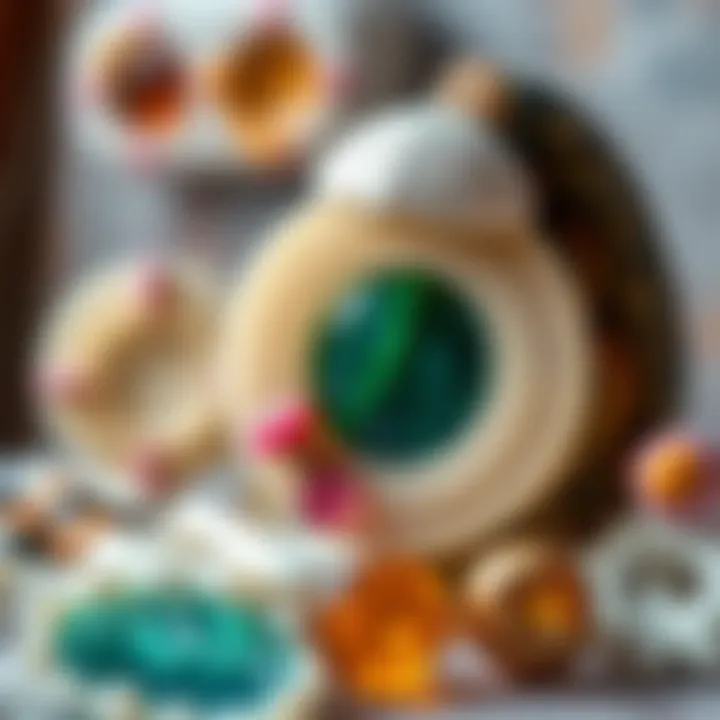
Jewelry making is an area where circle epoxy molds shine brightly. Not only do they help in crafting pieces that are eye-catching, but they also encourage artisans to experiment with textures, shapes, and embedded materials.
Creating Statement Pieces
Creating statement pieces with circle epoxy molds is a real game changer in the jewelry world. Designers are able to take everyday materials and transform them into wearable art. The most significant aspect is the size and shape flexibility offered by these molds. This flexibility allows designers to create larger, bolder pieces that stand out in any jewelry collection. Such pieces can become conversation starters, making them immensely popular among those who wish to express individuality through fashion.
One notable characteristic of these statement pieces is the use of vibrant color combinations and unusual textures. When crafted thoughtfully, these pieces can capture light differently, producing an alluring effect that draws attention. However, there might be challenges too, such as the weight or bulkiness of the final product, which could potentially affect comfort.
Embedding Objects
Embedding objects within the molds opens up a whole new world of creative possibilities. This technique not only enhances the aesthetics of jewelry but also adds a personal touch. By enclosing small trinkets like dried flowers, feathers, or other memorabilia, crafters can create personalized jewelry that tells a story. This characteristic makes embedding objects a favored choice among makers looking to produce heartfelt gifts or unique collections.
However, it requires careful selection of items to ensure they are compatible with the epoxy and will not degrade or discolor over time. This aspect can sometimes deter novice creators, but with practice, it can lead to stunning results.
Button and Accessory Design
Buttons and accessories made from circle epoxy molds are essential for personalizing garments and elevating everyday fashion items. These small elements can make a significant impact, allowing wearers to express their moods or styles distinctly.
Customizable Fashion Elements
Customizable fashion elements like buttons created from epoxy offer an exciting way to add a personal touch to clothing. The beauty of using epoxy molds lies in the endless design possibilities. Whether it’s through colors, shapes, or embedded images, the scope for customization is vast. This feature empowers individuals to match buttons precisely to their apparel, ensuring that every outfit feels unique and thoughtfully assembled.
However, one must consider that while customization can be appealing, it is essential to ensure durability. Well-crafted epoxy buttons can stand up to the rigors of wear, but poorly made ones might crack or fade, which could lead to disappointment.
Integrating Epoxy into Apparel
Integrating epoxy into apparel takes fashion innovation to another level. Designers can use these molds to create pieces that incorporate functional and artistic features—think collars with embedded epoxy elements that shine in the light. This characteristic makes the integration of epoxy into clothing a favored trend, as it merges style with practicality.
Moreover, this integration allows for various applications, from playfully quirky designs to elegant finishes. Yet, on the downside, the care requirements for garments with epoxy elements can be higher, as they may not withstand standard washing conditions as well as traditional materials.
By harnessing creativity and innovation, mold designs not only enhance the aesthetic appeal but also elevate the functionality of fashion items.
In summary, the applications of circle epoxy molds in fashion highlight how this medium provides expansive opportunities for creativity. Whether in jewelry-making or clothing design, the adaptability of these molds fosters unique creations tailored to individual tastes, ultimately enriching the fashion landscape.
DIY Projects with Circle Epoxy Molds
Embarking on DIY projects using circle epoxy molds allows creators to step outside the box of conventional crafting. These molds offer flexibility that facilitates various artistic expressions. Whether you are a nifty novice or a seasoned maker, these molds can add a unique element to your creations. One of the main benefits is the ability to make personalized items that showcase individual creativity and style. The tactile nature of working with epoxy enhances the crafting experience, allowing individuals to play with colors, textures, and designs as they see fit.
Step-by-Step Project Tutorials
Simple Coasters
Creating simple coasters is a fantastic entry point for anyone looking to dip their toes into the world of circle epoxy molds. The beauty of coasters lies in their **functionality and vast design **potential. Beyond protecting surfaces, coasters can be art pieces in their own right. The allure of using circle molds for coasters is that it helps achieve symmetrical shapes with minimal hassle, thus enabling makers to focus on the artistic details themselves.
- Materials Required: Epoxy resin, pigment powders, a mixing cup, and a release agent.
- Process: Start by mixing the resin according to the manufacturer's instructions. Add colorants to create unique patterns. Pour the mixture into the mold, ensuring an even distribution. Allow it to cure, and once set, simply pop out your coasters.
The unique feature of these coasters lies in customization. Whether you choose bright hues to liven up a table or muted tones for a subtle finish, each coaster will be a conversation starter. However, a challenge presents itself in terms of ensuring a bubble-free finish—a common issue that can detract from the overall elegance. Using a gentle heat source, such as a lighter or torch, can help reduce bubble formation.
Wall Art and Decor
Wall art and decor crafted from epoxy in circle molds offers an exciting dimension to interior aesthetics. Unlike typical wall decor, pieces made with epoxy can embody personal stories, memories, or even moods. The circular shape provides a soft contrast against traditional square and rectangular decor, making it eye-catching and intriguing.
- Materials Required: Epoxy resin, circular molds, dried flowers or other decorative items, color spray or pigments, and a base for mounting.
- Process: Similar to coasters, mix the epoxy resin. You may add flowers and pigments before pouring them into the mold. After curing, attach them to a base for hanging.
The unique aspect of epoxy wall art is that it's not just a visual element; it can tell a story or reflect the maker's personality. Adding elements like dried flowers brings a touch of nature indoors. An advantage of using circle molds is their organic shape, which can blend seamlessly into various decor styles. However, one must be cautious about weight distribution and hanging methods to prevent their masterpiece from falling off the wall.
Creative Enhancements
Mixing Techniques
When engaging with circle epoxy molds, the mixing techniques employed can make significant differences in the outcome of creativity. Proper mixing is a crucial step that can determine the clarity and color presence in resin projects. It’s vital to mix both in quantity and time, ensuring that all elements are evenly distributed to achieve the desired visual effect.
- Method: Use a slow mixing technique to avoid introducing air bubbles, which can create imperfections.
- Benefits: Well-mixed resin can result in vibrant colors and a glossy finish, making the final piece look professional.
However, the downside of improper mixing can lead to sticky surfaces or cloudy finishes that mar the project. Thus, executing this step carefully leads to overall success in DIY endeavors.
Layering Effects
Introducing layering effects provides depth and complexity to epoxy projects that may not otherwise be achievable. This technique enables creators to build up layers of resin, each with different colors or materials.
- Process: Pour layers one at a time, allowing each to cure partially before adding the next. This method ensures clear divisions between colors and creates a striking visual.
- Benefits: Layering allows for innovative uses of epoxy molds, generating pieces that change appearance based on the light and angle.
The challenge here lies in timing and patience. If the layers are poured too soon, they may blend into each other rather than maintain distinct boundaries. However, when executed correctly, layered effects can give a mesmerizing quality to any finished piece, elevating it from a simple craft to a true work of art.
"DIY projects with circle epoxy molds offer the freedom to explore and innovate. The only limits are those set by your imagination."
As this journey through circle epoxy mold projects unfolds, it becomes clear that each initiative not only enhances one's crafting skills but also allows for personal expression within the broader realm of fashion and decor.
Techniques and Best Practices
When it comes to utilizing circle epoxy molds, mastering the techniques and best practices can make a world of difference in your creative endeavors. Not only do these methods ensure that your finished projects look polished and professional, but they also help to mitigate common issues that can arise during the crafting process. Understanding the nuances of mixing, pouring, and curing epoxy is crucial for anyone looking to dive deep into this versatile medium.
Mixing and Pouring Epoxy
Getting the mixing and pouring process right is essential for producing high-quality results. The ideal epoxy mixture is a precise blend of resin and hardener, and it’s crucial to follow manufacturer instructions carefully. If the ratio is off, even slightly, the outcome can be less than favorable—ranging from an incomplete cure to a gummy texture.
As you prepare to mix, ensure that you have all your materials at hand: a mixing cup, stir stick, gloves, and a scale for accuracy. Begin by pouring the resin and hardener into your mixing cup. Stir slowly but thoroughly to avoid creating bubbles. A common mistake is to rush this step; taking your time can mean the difference between success and a failed project. Once mixed, it's time to pour into the mold. To do this effectively, pour from a height of around six inches to minimize bubbles, allowing the epoxy to flow smoothly into the crevices of the mold.
Curing Processes
Curing is what transforms your mixed epoxy into a solid, durable piece. Knowing the right conditions for curing is very important since variations can dramatically affect the final product. Here are a couple of elements to consider:
Factors Affecting Cure Time
Several factors affect how quickly epoxy cures. Temperature holds significant sway; warmer environments tend to accelerate curing times, while cold can delay them. The humidity level in the environment can also play a role. High humidity can interfere with the curing process, sometimes leading to imperfections. A special consideration is how the volume of the material affects the cure time. Pouring a thick layer of epoxy can heat up faster, potentially resulting in "exothermic" reactions that cause bubbles and other issues.
Overall, understanding these factors is key because it helps you plan your project effectively. For example, if you’re working in cooler months, allocating extra time for curing can prevent last-minute surprises.
Optimal Environment Conditions
In addition to factors affecting cure time, setting the right environment is vital for optimal results. The ideal temperature for curing epoxy generally falls between 70°F and 75°F. It's advisable to keep your work area free from drafts and direct sunlight, both of which can cause uneven curing.
The unique advantage of maintaining controlled conditions is that it minimizes common issues like cloudiness or soft spots in the finished product. When the workspace is stable, you can expect cleaner pours and a more reliable cure. Take time to set up your environment before beginning your project; this investment pays off significantly when you reveal your final piece.
"Success is where preparation and opportunity meet."
By taking care of mixing, pouring, and curing with close attention, you not only prevent mishaps but can truly unlock the creative possibilities that circle epoxy molds offer. The culmination of these techniques ensures your projects are not only visually appealing but also robust enough to stand the test of time.
Being aware of these techniques and practices provides a strong foundation for crafting, allowing creators to focus on what truly matters: the art itself. For more detailed and interactive learning, consider visiting resources like Wikipedia, Britannica, or engaging with communities on Reddit.
By integrating these insights into your epoxy projects, you set yourself up for success and enhance your capabilities as a fashion craftsman.
Challenges and Solutions in Using Circle Epoxy Molds
Using circle epoxy molds can bring to surface a variety of challenges. Encounters with problems is as common in this craft as bee stings are in a picnic. Understanding these obstacles can pave the way for smoother operations and successful projects. This section walks through the common issues that creators face with circle epoxy molds and offers effective solutions, fitting for both beginners and experienced artisans. Tackling challenges head-on tends to lead to not only better results but also richer, more fulfilling creative experiences.
Common Issues
Bubbles and Imperfections
One of the main hiccups in the process of working with epoxy molds is dealing with bubbles and imperfections. They often make their presence known like uninvited guests at a party. Bubbles can form due to a variety of reasons: improper mixing, pouring too quickly, or even just environmental factors like temperature. These air pockets can disrupt the surface of your products, creating an uneven texture that can leave a sour taste after all the hard work.
Despite being a nuisance, bubbles can also serve as a compelling artistic element. Some makers intentionally create pieces with bubbles for a unique aesthetic. Think of them as the joyful little quirks that remind you of the handmade aspect of crafts.
Advantages in the context of fashion and crafts:
- Adds character to designs.
- Encourages experimental approaches in artistic expression.
However, for those who prefer a more polished finish, various methods exist to minimize bubbles. Techniques like preheating the mold or using a torch to pop surface bubbles are invaluable tips that can lead to a more refined end product.

Mold Release Problems
Another sticky situation creators might tumble into is mold release problems. The last thing anyone wants after pouring that beautifully mixed epoxy is to have it cling on to the mold like a stubborn child refusing to let go. Mold release issues generally arise from insufficient or improper treatment of mold surfaces before use. If the epoxy clings to the mold, it not only complicates removal but may also damage the piece you worked hard to create.
Key considerations when tackling mold release issues:
- Selecting the right mold release agents.
- Ensuring mold surfaces are clean and free from debris.
- Prepping the mold properly in advance.
The unique feature surrounding the solution to this problem is that many mold materials are now made with flexibility that helps with easier releases. Using silicone molds, for instance, generally tends to aid in easier extraction. Yet, improper use still could mean trouble, leaving behind fragments of your art inside the mold.
Effective Troubleshooting
Approaching challenges in using circle epoxy molds can resemble a game of chess. The trick is to think several steps ahead and anticipate potential pitfalls before they arise. As they say, "an ounce of prevention is worth a pound of cure."
Here are some effective troubleshooting tips you might find helpful:
- Practice proper mixing: Ensure you follow the manufacturer's instructions to the letter when mixing resin and hardener. Poorly mixed combinations are notorious for creating problems.
- Utilize a vacuum chamber: This can effectively eliminate bubbles during the mixing stage by removing air before the pour.
- Experiment with temperature conditions: Sometimes, simply adjusting the environment you’re working in can solve multiple issues at once.
For further reading on troubleshooting and techniques, you may check out resources like Wikipedia or community discussions on platforms such as Reddit.
By arming yourself with the right knowledge and tools to counter these challenges, you can step confidently into the creative waters of circle epoxy mold crafting.
Innovations in Epoxy Mold Design
The realm of epoxy mold design has evolved significantly, largely driven by creative ingenuity and technological advancements. Innovations in this field have greatly improved the versatility and functionality of circle epoxy molds, significantly influencing their application in fashion and crafts. The importance of embracing these innovations cannot be overstated; they offer artists and designers new avenues for expression, creativity, and efficiency.
One notable aspect of this innovation wave is custom mold creation, which allows for personalized designs tailored to specific projects. This capability is essential for fashion designers looking to create unique pieces that stand out in a saturated market. Custom molds facilitate the embedding of unique shapes or patterns, aligning with current trends and individual artistic vision. Moreover, this practice encourages more intricate and detailed work, leading to objects that are not just functional but artistic.
Custom Mold Creation
Custom mold creation is rapidly gaining traction among craftspeople due to its unique benefits. Designers can create molds for specific shapes or objects, ensuring a more tailored approach to their craft. This means that, instead of relying on generic molds, creators can bring their bespoke ideas to life. The process may involve designing molds from scratch or modifying existing ones, which is not just cost-effective but also empowers creative freedom.
A strong point for custom molds is their adaptability; they can be fashioned to capture intricate details that enhance the final product's visual appeal. However, this customization does come at a cost; it requires an understanding of mold-making processes and the associated materials, as well as time investment to achieve the desired results.
Use of Technology in Mold Design
Advancements in technology have also made a remarkable impact on mold design. One of the shining stars in this sphere is the use of 3D printing applications. This wholesale transformation allows for the rapid prototyping of designs, significantly reducing the time from concept to creation.
3D Printing Applications
3D printing offers tremendous benefits in the creation of epoxy molds. One of its key characteristics is precision; each design is printed layer by layer, which results in molds that can incorporate intricate details and complex geometries. This precision allows makers to experiment with forms that are hard to achieve with traditional molding techniques.
A significant advantage of 3D printing in mold design is its cost-effectiveness. Once a digital model is created, multiple copies of the mold can be produced without additional costs in material and labor. However, not everything is rosy. The materials used in 3D printing may not always be suitable for high-performance epoxy applications, which calls for meticulous selection of printing materials to ensure durability and functionality.
Online Resources for Designs
Online resources for designs have become a treasure trove for makers looking to enhance their work with uniquely designed molds. Websites like Thingiverse and MyMiniFactory provide massive repositories of digital files specifically for mold-making, making it accessible for even the novice crafter to join in on the game. These platforms provide a vast array of designs, from simple to complex, allowing individuals to tailor their search according to their specific needs.
One key characteristic of these online resources is the community aspect they foster. Creators can share their designs and even collaborate on modifications, leading to an ever-evolving pool of creative ideas. Yet, relying solely on these resources may run the risk of homogenization where unique designs blend into a broad spectrum of similar offerings—limiting the personal touch that many artists strive for in their work.
End
In reflecting on the various facets of circle epoxy molds within the realms of fashion and crafting, it is essential to consider their growing significance.
Summarizing the Versatility of Circle Epoxy Molds
Circle epoxy molds stand out due to their inherent adaptability. From transforming basic notions into striking necklaces to customizing buttons for garments, their potential knows no bounds. Here are some key points highlighting their versatility:
- Customization: Molds allow for personal expression. Artists can embed colors, glitter, or even small objects, making each piece unique.
- Simplicity of Use: The ease in which these molds can be utilized makes them accessible for creators of all skill levels.
- Durability: Products made with epoxy are typically long-lasting, standing the test of time in terms of both design and structure.
The essential nature of these molds lies in their ability to bridge traditional crafting with modern design elements. They serve not only as tools but also as avenues for artistic exploration.
Future Prospects in Fashion Applications
Looking ahead, circle epoxy molds are poised to assert themselves further in the fashion industry. With ongoing advancements in materials and designs, several trends are beginning to emerge:
- Sustainable Practices: As eco-friendly options become increasingly important, expect to see an uptick in the use of bio-based epoxy resins. This shift may attract environmentally-conscious consumers.
- Technological Integration: Embracing methods such as 3D printing will enhance mold production and design possibilities, allowing for intricate and personalized options in the fashion world.
- Collaborations with Fashion Designers: Expect a surge in partnerships between epoxy artisans and established designers to create exclusive lines, merging craftsmanship with high fashion.
With the right approach and understanding of emerging trends, circle epoxy molds hold considerable promise and can contribute significantly to the evolution of fashion applications. The synergy between creativity and innovation essentially fuels this excitement. As we move forward, it will be intriguing to see how these molds reshape not just individual artistry, but also larger fashion narratives.