Discovering the Beauty of Moroccan Table Runners
Intro
Moroccan table runners are not just mere decorative pieces; they weave stories from centuries past, reflecting the rich tapestry of culture and tradition inherent in Moroccan craftsmanship. Their striking patterns and vibrant colors serve as a testament to the artisanal skills that have been honed over generations. As you enter a home adorned with these textiles, you might feel transported to a bustling Moroccan market, where the air is thick with spices and the sounds of artisans creating beautiful works of art.
The allure of these runners lies in their ability to enhance the decor of any space while serving practical purposes. This article takes a deep dive into the world of Moroccan table runners, unpacking their historical significance, the intricate designs that characterize them, and how they adapt to contemporary decor. Whether you’re considering adding a splash of color to your dining area or you’re a staunch admirer of cultural textiles, understanding the essence of Moroccan table runners can enlighten your choices for home decoration.
With a focus on the materials used, their ritualistic significance, and how they can be integrated seamlessly into various design aesthetics, we strive to provide a comprehensive guide. From the intricacies of maintenance to choosing the right runner for your space, every aspect aims to enrich your understanding of this distinctively beautiful textile. By the time you have journeyed through this narrative, you’ll appreciate the Moroccan table runner not just as an object, but as a piece of art that transforms your home into a canvas of elegance.
“Moroccan textiles are a vivid reminder that a home’s character evolves with the stories it tells.”
Unlocking the charm of Moroccan table runners not only enhances your living space but also embraces cultural heritage in a way that resonates with both tradition and modernity.
Foreword to Moroccan Table Runners
Moroccan table runners are not just mere functional items; they are a celebration of a deep-rooted cultural heritage, telling stories of tradition through every woven fiber. They infuse vibrancy and life into any space, turning an ordinary dining table into a canvas of artistic expression. Understanding the essence of these runners is the first step in appreciating their role in both practical use and aesthetic enrichment.
Defining Table Runners
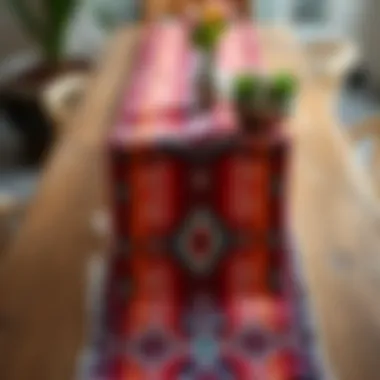
Table runners serve as long, narrow pieces of fabric that can be placed atop tables to protect the surface or enhance decor. They can range in size, texture, and color, allowing for endless possibilities in terms of style. In the context of Moroccan design, these runners typically feature intricate patterns and bold colors, reflective of the rich tapestry of Moroccan textile traditions. You might find yourself drawn to a piece that beautifully marries geometric designs with soft earth tones, or perhaps one that stands out with a riot of colors—each telling its own unique story.
Cultural Importance
Moroccan table runners are steeped in history, representing more than just aesthetic choices. They often embody the craftspeople’s dedication to their art, passed down through generations. In Moroccan culture, textiles have always held a significant place; they are ritualistic, serving as a means of storytelling and community bonding. During celebrations and family gatherings, these vibrant pieces bring families together, often passed from mother to daughter, keeping the familial bond intact.
"Every thread woven into a Moroccan table runner is laden with the weight of tradition and signifies an unbreakable connection to ancestry."
Moreover, these runners play a role in showcasing the skilled artisanship of Moroccan weavers, who often use them as a medium to promote their cultural identity. In many ways, they act as ambassadors of Moroccan culture, inviting admirers to explore and respect the rich heritage behind each piece.
As we dive deeper into the topic, we will unravel the fascinating history of Moroccan textile art, delve into design aesthetics, and explore how these runners have evolved to fit into contemporary decor, while never losing sight of their deep cultural significance. Herein lies the beauty of Moroccan table runners, a journey that connects the past with the present, all woven into the fabric of daily life.
Historical Context of Moroccan Textile Art
Understanding the historical context of Moroccan textile art is crucial to truly appreciate the intricate designs and the craftsmanship behind each table runner. Various factors, including geography, culture, and socio-economic conditions, have influenced the development of textile arts in Morocco. The rich tapestry of influences, from ancient trading routes to the imprints of diverse cultures, gives insights into the evolution of these remarkable textiles.
Historically, Moroccan weaving can be traced back to ancient times when trade with neighboring regions introduced different materials and techniques. As a melting pot of Berber, Arab, and Mediterranean cultures, the artistic expressions seen in Moroccan textiles often tell stories of community, identity, and tradition. This historical perspective not only highlights the art form’s resilience but also underscores its significance in cultural heritage.
Origins of Moroccan Weaving
The origins of Moroccan weaving are steeped in tradition. Many historians suggest that the intricate weaving techniques can be linked to Berber tribes, who have been practicing the craft for centuries. The Berber women, in particular, have played a pivotal role in this art form. They would often gather to weave colorful fabrics from locally sourced materials, creating not only textiles but also a sense of community.
Key points about the origins include:
- Natural Materials: Traditionally, Moroccan weavers used natural fibers like wool, cotton, and silk, often dyed using plant-based dyes.
- Unique Techniques: The craftsmanship involves utilizing techniques passed down through generations. Each pattern often conveys a specific meaning, linking the textile to its origins.
- Utilitarian Origins: Initially, these textiles served practical purposes – covering beds, protecting from the elements, or creating warmth.
These practices have evolved, but understanding where they come from provides depth to the appreciation of modern interpretations.
Influence of Berber Traditions
Berber traditions have significantly shaped the landscape of Moroccan textiles. The intricate designs and vibrant colors reflect the cultural diversity of the Berber people, echoing their stories, beliefs, and daily lives. Many patterns originate from ancient symbols representing fertility, protection, and nature itself.
Some notable influences include:
- Symbolism in Patterns: Each design often carries deep meanings. For example, zigzag patterns may symbolize water, an essential element in a arid environment, while diamond shapes represent protection and harmony.
- Cultural Narratives: Much of the decorative artistry serves to narrate stories of love, folklore, and social identity. The colors and shapes used are not just aesthetics; they are a language unto themselves.
- Community Identity: Weaving is a communal activity, bonding women together and preserving the legacy of their culture. Their crafts often serve as a rite of passage for young girls, symbolizing their transition into adulthood.
In summary, the historical context of Moroccan textile art, particularly through the lens of Berber traditions, provides layers of meaning that enrich our understanding of these exquisite table runners. As a bridge between past and present, these textiles tell stories of the people and cultures that shaped them, making them invaluable artifacts of Moroccan heritage.
Design Aesthetics: Patterns and Colors
When it comes to the world of Moroccan table runners, design aesthetics play a critical role in conveying not just beauty but also cultural stories. Patterns and colors are not merely decorative elements; they are a rich tapestry woven with centuries of history, tradition, and artistry. Understanding these elements helps us appreciate how they transform living spaces, adding layers of meaning and connection.

Traditional Patterns
Moroccan table runners are often adorned with intricate patterns that reflect the country’s diverse cultural heritage. These patterns can be geometrical, floral, or abstract, each holding its own significance. For instance, the classic zellige tile designs offer a glimpse into Islamic art’s geometric perfection, while Berber motifs often tell stories about tribal life.
The process of creating these patterns is meticulous, relying on traditional methods passed down through generations. Weavers often take inspiration from nature around them, incorporating elements like leaves, flowers, and even animals. This connects the textiles to the larger landscape of Morocco, making each piece unique.
"Each pattern weaved into a table runner is a reflection of the environment and culture from which it originates."
Among the famed traditional patterns you might encounter:
- Hirqa: This pattern mimics the intricate knotted rugs of Berber traditions and emphasizes the handwoven craftsmanship.
- Diamonds and Triangles: Often used to symbolize protection and strength, these shapes reflect the weaver's desire for harmony in the household.
- Wavy Lines: These may represent the flow of water, embodying vitality and rejuvenation.
Understanding these patterns adds depth to one's appreciation of Moroccan textiles; each design captures a fragment of Moroccan identity. They can tell stories that resonate not just within the walls of a home, but across time and people.
Color Significance
In Moroccan culture, color is imbued with deep significances. When it comes to table runners, the hues chosen are often reflective of both emotion and symbolism. For instance, the deep reds and earthy browns can represent the rich soil of the Moroccan terrain, grounding the aesthetic while providing warmth to any setting. In contrast, vibrant blues and greens communicate tranquility, peace, and connection to nature.
The palette used in Moroccan textiles is influenced by myriad factors, from local minerals to the season’s mood. Color choices are often deliberate, designed to evoke feelings or to harmonize with the surroundings. Notably:
- Red and Orange: Indicates strength and vitality, often associated with celebratory themes.
- Blues: Such as cobalt and teal, signify serenity and have been used historically to ward off evil spirits.
- Yellow and Gold: Denote riches and poshness; perfect for festive occasions.
Moroccan table runners are not just decorative art; their swirl of colors and rich patterns create a narrative of the senses. They can alter the vibe of a room effortlessly, making them a worthy investment for anyone looking to enhance their living spaces.
By selecting a table runner that aligns with both pattern and color, not only does one decorate their home, but they also become a custodian of a vibrant culture filled with stories waiting to be told.
Materials Used in Crafting Moroccan Table Runners
The materials utilized in crafting Moroccan table runners are at the core of their charm and durability. Selecting the right materials not only contributes to the aesthetic appeal but also enhances the practicality and longevity of these textiles. Both traditional and modern approaches to weaving and fabric selection offer a diverse range of choices, accommodating varying tastes and requirements. Thus, exploring these materials becomes crucial for anyone looking to appreciate or invest in these unique decorations.
Natural Fibers
Natural fibers form the backbone of most Moroccan table runners. Wool, cotton, and silk are among the most common materials. Their inherent characteristics lend beauty and functionality:
- Wool: Renowned for its resilience and warmth, woolen table runners often display intricate designs. Its ability to retain heat makes it a preferred choice in colder environments, creating a welcoming atmosphere. Plus, wool has a natural luster that provides a rich texture to the design.
- Cotton: This material is cherished for its softness and breathability. Cotton table runners are often softer to the touch, making them ideal for everyday use. They can absorb moisture well, which is practical for dining settings where spills may occur. Their vibrant colors and patterns can truly brighten up a room.
- Silk: Considered a luxury material, silk adds an element of opulence with its smooth texture. Silk table runners are usually reserved for special occasions or ceremonial uses, showcasing elaborate patterns that tell a story. The sheen of silk can elevate the dining experience to a grand affair.
A few points to consider with natural fibers include their maintenance requirements. Wool may need to be dry-cleaned in some instances, while cotton can endure a machine wash. Silk demands more careful handling to preserve its delicate nature.
"Natural fibers contribute not only to the visual appeal but also enhance the tactile experience of Moroccan table runners."
Synthetic Alternatives
With the advent of technology, synthetic alternatives have become a significant player in the world of textile production. Materials such as polyester and nylon now offer options that rival traditional choices:
- Polyester: This fiber is appreciated for its durability and stain resistance. It's less prone to fading or shrinking, making it a practical choice for households with children or pets. Many modern Moroccan table runners blend polyester with traditional fibers to maintain that essential aesthetic while boosting practicality.
- Nylon: Known for its strength and elasticity, nylon is another synthetic fiber used in some runners. It's particularly effective in designs that require more stretch or flexibility, allowing for intricate patterns to come to life without risking damage to the fabric.
Using synthetic materials often means easier maintenance. Runners made from polyester and nylon can typically be tossed into the washing machine, saving both time and effort.
For more insights on Moroccan textiles, you can visit Wikipedia or check community discussions on Reddit.
Functionality and Practical Uses
Moroccan table runners embody a practical elegance, serving a dual purpose that is hard to overlook. While their breathtaking colors and intricate designs make them visual focal points in any room, these textiles also provide functionality that enhances everyday living. Such versatility can significantly enrich the dining experience, turning a simple meal into a memorable gathering.
Everyday Use in Homes
In the hustle and bustle of daily life, many might overlook the importance of textile enhancements in their living spaces. However, a Moroccan table runner can inject life into your home in a way that is both subtle and striking. Not only does it protect your table surface from scratches, spills, and stains, but its unique aesthetic becomes a conversation starter—a subtle way to showcase your appreciation for culture and craftsmanship.
From rustic wooden tables to modern glass surfaces, these runners add warmth and character. Imagine hosting a casual brunch; a vibrant table runner can create an inviting space that instantly elevates the mood. When paired with a simple vase of fresh flowers or a few artisan plates, the fusion of elements can breathe life into your kitchen or dining area.
Moreover, they make it easy to change the ambiance of a room depending on the season or occasion. For instance, a cooler, earthy runner can lend a cozy feel in autumn, while a bright patterned one can evoke summer vibes. Their adaptability means that one piece can serve various purposes over time.
When considering the functionality of Moroccan table runners in everyday use, think about:
- Durability: Many are crafted from sturdy natural fibers, ensuring that they withstand daily wear and tear.
- Ease of Cleaning: Most runners can be easily wiped down or even machine-washed, making them practical for regular use without sacrificing aesthetics.
- Versatile Styles: They can be used in a multitude of settings—dining tables, coffee tables, or even as colorful accents on sideboards.
Ceremonial and Festive Applications
Moroccan table runners also hold a significant place in various ceremonies and celebrations. They are not merely decorative pieces; they serve as vital elements that enhance the ritualistic aspects of gatherings. For weddings, festivals, and religious observances, these textiles become a representation of cultural heritage and communal values.
The runners may adorn tables laden with traditional foods during holiday celebrations, creating an inviting atmosphere rich in cultural symbolism. Their presence during festive meals invites guests to share in the experience of community and connection, emphasizing values passed down through generations.
During larger events, such as weddings, multiple runners may be used to seamlessly connect tables, unifying the decor and creating a cohesive visual flow. The symmetry of their designs can guide the eye, making even the largest gatherings feel more intimate.
When incorporating Moroccan table runners in ceremonial settings, consider:
- Cultural Significance: Different patterns can symbolize various aspects of Moroccan heritage, offering menu ideas that resonate with the textile’s history.
- Color Psychology: Bright colors may promote joy and festivity, while earth tones can foster a sense of calm and security during family gatherings.
- Layering Strategies: Layering a runner over a tablecloth can add texture and complexity to the overall decor, enhancing visual appeal.
"In Moroccan tradition, textiles are not merely fabric; they are a canvas telling the stories of our experiences and celebrations."
Amidst the demands of routine life, these runners fulfill a purpose that transcends aesthetics, enriching both daily rituals and special occasions with their exquisite designs and undeniable presence. When remodeling your home or setting the stage for a celebration, integrating a Moroccan table runner might just be the twist your decor needs to weave functionality with breathtaking beauty.
Modern Interpretations of Moroccan Styles
Exploring the modern interpretations of Moroccan table runners sheds light on how traditional artistry and contemporary trends can intertwine. The creative evolution of these textiles does not merely respect history; it actively engages with it to produce fresh styles that appeal to today's aesthetic sensibilities. This section underscores how Moroccan designs can straddle the line between heritage and modernity, extending their relevance in today’s home decor landscape.
Contemporary Design Trends
In recent years, there has been a burgeoning interest in integrating Moroccan aesthetics into broader design paradigms. Clean lines and minimalistic approaches are taking center stage. Textures, rather than overwhelming patterns, are favored. For instance, simple geometric arrangements in earth-toned palettes might capture the essence of Moroccan craftsmanship without being overwhelmingly vibrant. This minimalist approach allows these textiles to blend seamlessly into modern interior spaces, whether that be a sleek urban apartment or a rustic countryside home.
The marriage of function and art is also noteworthy. Many designers are opting for versatile table runners that serve multiple purposes—both as decorative pieces and protective covers. This duality reflects a lifestyle oriented towards practicality while still valuing aesthetic beauty. Additionally, designers are incorporating eco-friendly materials, resonating with growing consumer awareness about sustainability.
- Eco-conscious choices—such as organic cotton or recycled materials—appeal greatly to conscientious buyers.
- Customizable options allow individuals to choose colors and patterns that reflect their unique styles.
These trends not only respond to consumer demands but also aim to preserve the artisans’ stories, transforming a cultural product into relevant contemporary pieces that speak volumes in a modern context.
Fusion with Other Cultures
Fusion design represents a rich tapestry woven from various cultural threads. Moroccan table runners have begun to incorporate elements from diverse cultures, creating a dialogue between the traditional and the contemporary. For instance, you might find a textile that marries classic Moroccan zigzags with Asian silk embroidery, yielding stunning results.
This cross-cultural exchange can provide depth to a simple table runner. By merging styles, textures, and techniques, designers can craft pieces that tell a story—each stitch a testament to a blend of traditions. This is not only an aesthetic endeavor but also a way to promote understanding and appreciation across cultures.
"Fusion design reflects the world we live in—connected, overlapping, and diverse. Moroccan table runners become not just a decoration, but a celebration of cultural collaboration."
Furthermore, the accessibility of online marketplaces has facilitated this cultural amalgamation. Buyers can now source handcrafted items from around the globe, thereby enriching their decor while supporting artisans. Each runner becomes a conversation starter, captivating visitors with its unique blend of influences.
Thus, modern interpretations of Moroccan styles serve as both inspiration for creativity in design and a platform for cultural dialogue. In a world where borders are increasingly becoming less relevant, these runners symbolize an ethos of shared beauty and communal craftsmanship that transcends geographical boundaries.
The ongoing evolution of Moroccan table runners, through contemporary design trends and cultural fusion, not only preserves the artistry of the past but also paves the way for vibrant expressions in modern interiors.
Incorporating Moroccan Table Runners in Home Decor
Moroccan table runners are not just decorative items; they serve as a vibrant narrative that speaks to the unique cultural heritage of Morocco. When you bring a Moroccan table runner into your home, you're not simply placing a piece of fabric on a surface; you are integrating a story about artistry, tradition, and the spirit of its creators. This section explores how these beautiful textiles can enhance your decor, providing both aesthetic appeal and cultural depth.
Choosing the Right Runner for Your Space
Selecting the appropriate Moroccan table runner for your space involves understanding the existing decor while also considering the unique features of the runner itself.
- Assessing Your Color Palette: One of the first steps is to examine your room's color scheme. Moroccan textiles often burst with rich colors like deep reds, vibrant blues, and warm yellows. If your space has a neutral palette, a brightly colored runner can serve as a striking focal point. Conversely, in a room already filled with colors, you might opt for a more subtle design that complements rather than competes.
- Considering the Size and Layout: The size of the table runner relative to your table is crucial. A runner should extend at least a couple of inches on each side of the table to make a pleasing visual impact. For larger tables, a longer piece can help define the dining area while also adding texture.
- Texture Matters: Moroccan table runners are often made from various materials like wool or cotton, each providing a different feel. If your decor leans toward a rustic style, a woven wool runner may enhance the earthy vibe of your space. On the other hand, a lightweight cotton runner could brighten a contemporary setting.
- Seasonality and Occasions: Different seasons may call for different aesthetics. During the summer months, you might prefer lighter fabrics with airy textures, while richer, heavier fabrics can create warmth in winter. Similarly, for special occasions, you could choose runners that feature more elaborate patterns and designs, adding a festive touch to your dining experience.
Layering with Other Textiles
Layering your Moroccan table runner with other textiles can add depth and character to your home decor. Here are some suggestions to make the most of this technique:


- Mixing Patterns: Don’t shy away from pairing your runner with contrasting patterns. The bold designs of Moroccan runners can work beautifully alongside floral or geometric patterned tablecloths. By mixing and matching, you create a rich tapestry that reflects your personal style.
- Using Solid Colors for Balance: If patterns are your main focus, consider using solid colors for surrounding textiles, like placemats or napkins. This approach helps in grounding the overall look while allowing the Moroccan runner to take center stage.
- Incorporating Other Natural Textiles: To heighten the tactile experience, try pairing your runner with linens made of natural fibers—such as cotton, linen, or jute. This not only complements the authenticity of a Moroccan runner but also enriches the sensory experience of your dining layout.
- Adding Accessories: Don’t forget about the decorative accessories! Incorporating ceramic dishes, metallic candle holders, or even colorful fruits can bring out the patterns in the runner, creating a cohesive and inviting aesthetic.
"Decor is like the icing on a cake; it’s what makes the whole thing look complete and appealing."
By embracing these elements, you can easily transform any dining space into a stylistic feast that reflects both culture and comfort. Moroccan table runners can serve as the perfect canvas for your decor storytelling. They invite warmth, color, and personality into your home, ensuring that every meal becomes a cherished occasion.
Care and Maintenance of Moroccan Table Runners
Maintaining the integrity of Moroccan table runners is paramount, not only for preserving their aesthetic appeal, but also for ensuring that these textiles endure for generations. These handmade pieces often carry significant cultural heritage, and by caring for them properly, you preserve their stories and the craftsmanship behind them. Here, we'll explore specific elements of care that not only protect these beautiful items but also enhance their longevity.
Cleaning Guidelines
When it comes to cleaning Moroccan table runners, there’s a fine balance between maintaining their beauty and avoiding damage. Here's how to approach it:
- Gentle Spot Cleaning: For incidental spills, it’s usually best to act quickly. Use a soft, damp cloth to blot, not rub, the stained area. Rubbing can fray fibers or push stains deeper.
- Hand Washing: For a thorough clean, hand washing is often recommended. Fill a bathtub or large basin with lukewarm water mixed with a mild detergent. Soak the runner for a brief period, then gently agitate the water. Rinse thoroughly without twisting the fabric, as this can lead to distortions.
- Air Drying: After washing, gently press the excess water without wringing. Lay it flat on a clean, dry towel and roll it up to remove more moisture. Avoid direct sunlight or heat sources, which can fade colors.
- Professional Cleaning: If you’re unsure about cleaning your runner, or if it holds special memories, consider seeking out a professional cleaner experienced with delicate textiles. They can provide the care that your piece deserves.
Preserving the beauty of your Moroccan table runner is not just about cleanliness; it’s about honoring the artistry and culture it embodies.
Storage Tips
Once cleaned, how you store your Moroccan table runner can significantly affect its condition. Here are some practical tips for storing these textiles:
- Roll, Don’t Fold: If possible, roll your runner instead of folding it to avoid creases and permanent lines that can spoil its appearance. Rolling prevents the fabric from creasing dramatically.
- Use Cotton or Silk Storage Bags: If you intend to store your runner for an extended period, place it in a breathable cotton or silk bag. This will protect it from dust while allowing air circulation, which prevents mold and mildew.
- Avoid PVC and Plastics: Never store textiles in plastic bags or containers. These materials trap moisture and can lead to decay or discoloration.
- Control the Environment: Store in a cool, dark place away from direct sunlight and moisture. Such care goes a long way in preserving the quality and vibrancy of the colors and patterns.
By following these guidelines, Moroccan table runners can thrive as functional decor while holding onto the stories they carry. A little bit of care will ensure that they remain vibrant parts of your home for years to come.
Ethical Considerations in Sourcing
Understanding the ethical aspects related to sourcing Moroccan table runners is paramount for those who appreciate the intricate artistry of these textiles. It involves not just the product itself but the underlying social, economic, and environmental factors that shape their creation. When opting for these beautiful decorations, it’s important to ensure that they are produced in accordance with ethical standards that respect both people and the planet.
Sustainability Issues
The sustainability of materials and production methods used in crafting table runners cannot be overstated. Many traditional Moroccan textiles are made from locally-sourced, natural fibers such as wool and cotton. These materials generally have a lower environmental footprint compared to synthetic alternatives. However, sourcing methods can vary. It’s essential to consider whether the materials are obtained in a way that supports sustainable farming practices. For instance, over-farming can deplete soil quality, affecting local ecosystems.
Additionally, some artisans may engage in eco-friendly practices by using organic dyes derived from plants rather than chemical-based options. Such approaches not only preserve the integrity of the environment but also produce unique aesthetic qualities in the textiles. Consumers should seek out sellers and artisans who prioritize sustainability, ensuring their purchase contributes to a healthier planet.
"Sustainable goods often tell a story: of the hands that made them, the materials used, and the environment from which they came."
Supporting Artisans
Supporting artisans is perhaps the most rewarding aspect of purchasing Moroccan table runners. Many of these skilled craftsmen and craftswomen rely on the income generated by their work to support their families and communities. By choosing to buy directly from them or from ethical retailers, consumers can help uplift local economies, ensuring that artisans receive fair compensation for their labor.
Moreover, investing in these unique textiles helps preserve traditional weaving techniques that might otherwise fade away. With the rise of mass-produced items, these artisanal skills face obsolescence. By choosing authentic Moroccan table runners, buyers encourage the next generation of artisans to learn and carry forward their rich cultural heritage.
In addition, many communities have formed cooperatives to manage the production and sale of their goods, enhancing their bargaining power and enabling them to access wider markets. As a result, customers can feel good about their purchases, knowing that they are contributing to the continuity of an important cultural practice.
As a fashion enthusiast or stylist, considering these ethical dimensions not only reflects a commitment to responsible sourcing but also enhances the narrative surrounding the pieces you choose to incorporate into your decor. The beauty of Moroccan table runners goes well beyond aesthetics; they embody stories of tradition, resilience, and sustainability.
Final Thoughts
The journey through the rich tapestry of Moroccan table runners is not merely an exploration of decorative art but a dive into a deeper narrative of culture, craftsmanship, and community. As we wrap up this discussion, it's essential to reflect on the significance of these textiles. They are not just functional items; they embody the history and stories of the artisans who create them. The patterns, colors, and materials used speak volumes of the traditions upheld and the innovative approaches taken by contemporary designers.
The Lasting Impact of Moroccan Textiles
When one thinks of Moroccan textiles, it's hard to ignore their profound impact on interior decor. These table runners serve as conversation starters, bridging gaps between different cultures while adding warmth to homes.
- Sustainability and Ethics: Unlike many modern decorating items, Moroccan table runners often come with a backstory, emphasizing sustainable practices and ethical sources. Artisans create them using age-old techniques handed down through generations, ensuring that each piece is not only unique but also respectful of environmental impact.
- Aesthetic Versatility: Available in a myriad of patterns and colors, these runners can fit seamlessly into various design schemes. Whether you're aiming for a bohemian vibe or a sleek modern setup, there’s a Moroccan runner that can elevate your decor. Each table runner can tell a story, reflecting individual style while endorsing rich cultural heritage.
- Practicality: Furthermore, these textiles are more than just for show. They are designed to withstand everyday use, bringing both beauty and functionality to dining spaces. This adaptability has made them increasingly popular, not just in Morocco, but across the globe.
“Moroccan textiles are a canvas painted with culture, reminding us of where we've been and where we're going in the world of design.”
Encouragement to Explore
There’s a world of Moroccan designs out there waiting to be discovered, and the allure of these table runners is just the tip of the iceberg. For anyone interested in home decor or fashion, delving into the wider universe of Moroccan textiles is highly encouraged.
A journey through the vibrant souks of Marrakech or Essaouira can ignite inspiration and appreciation for the skills and artistry involved in crafting these beautiful pieces. Here are some avenues to explore:
- Visit Local Markets: If you ever find yourself in Morocco, immerse yourself in the local tapestry of artisans. Many traditional marketplaces are havens for authentic products, enabling one to purchase directly from the sources.
- Online Shopping and Artisans' Websites: Several platforms highlight Moroccan artisans and provide opportunities for acquiring genuine items. Websites such as Etsy or artisan-specific sites can be a treasure trove of unique finds.
- Workshops and Demonstrations: There are workshops available both online and in-person that instruct on the weaving techniques and history behind Moroccan textiles, emphasizing the intricate craftsmanship involved.
Exploring Moroccan table runners is not just about decoration; it’s an invitation to learn, appreciate, and celebrate a culture teeming with history and artistry. As we conclude, remember that every piece tells a story and enriches not just your living space, but your life as well.