Exploring Rubber Bracelet Kits: A Comprehensive Guide


Intro
Rubber bracelet kits have carved a niche for themselves in the DIY craft world, intriguing both fashion enthusiasts and creative souls alike. The charm of these kits lies not only in their delightful colors and textures but also in their capacity for personalization. It's much more than just stringing beads together; it's a form of self-expression, a chance to design something truly unique that showcases an individual's style.
What sets rubber bracelet kits apart is the plethora of possibilities they offer. From choosing the type of rubber bands to mixing and matching charms, the opportunities for creativity are seemingly endless. Many individuals may find themselves immersed in the world of crafting, entranced by the vibrant possibilities at their fingertips. It's a delightful blend of art, fashion, and the spirit of do-it-yourself.
In this guide, we will venture into the full spectrum of rubber bracelet kits—from selecting materials and techniques to understanding current fashion trends. This exploration aims not just to inform but to inspire, transforming the simple act of crafting into a powerful tool for personal expression. Whether you're a seasoned DIY aficionado or a curious newcomer, there’s something in this journey for everyone.
Stay tuned as we unravel the nuances of how rubber bracelet kits can infuse both creativity and style into everyday wear.
Prelude to Rubber Bracelet Kits
Rubber bracelet kits have become increasingly popular as a method of self-expression and creativity, captivating the hearts of both young and old alike. This introduction sets the stage by illuminating the significance of these kits in the crafting world, their recreational value, and how they cater to a broad audience.
Often viewed through the lens of DIY culture, rubber bracelet kits provide participants with a tangible connection to the crafting process. They seamlessly blend art with utility, allowing enthusiasts to craft wearable pieces that carry personal meanings. Not only do they serve as an artistic outlet, but they also empower individuals by providing tools to create custom accessories that reflect their unique personalities and interests.
Understanding the Popularity
The surge in popularity of rubber bracelet kits can be attributed to a variety of factors, prominently including their accessibility and versatility. With the advent of social media platforms like Instagram and Pinterest, the ease of sharing creations has inspired countless individuals to engage in crafting activities. Moreover, the ability to customize these bracelets by mixing colors, patterns, and styles adds an appealing layer of personalization. As people search for distinctive ways to express their identities, these kits offer a perfect solution that does not break the bank.
For instance, think about Lucy— a high school student who turned to rubber bracelet making during lockdown. She combined her love for colors and art, crafting bracelets that matched her outfits. This sparked joy in her life and connected her with friends online, as they exchanged designs and tips over social platforms. Stories like Lucy's highlight how these kits serve a dual purpose: as a creative hobby and as a means of fostering social connections.
A Brief History of Rubber Accessories
The story of rubber accessories isn't as straightforward as one might think. The journey begins in the mid-19th century when Charles Goodyear invented the process of rubber vulcanization, leading to its widespread applications in various goods. Over time, rubber transitioned from functional uses to becoming a vibrant aspect of fashion.
In the late 20th century, rubber bracelets appeared on the scene as trendy fashion statements. Remember the iconic Livestrong bracelets? Launched in 2004 to support cancer research, they propelled rubber accessories into the limelight. This initiative popularized the concept of wearing bracelets not just for aesthetic purposes, but also as a means of advocating for causes and raising awareness.
Through its historical evolution, rubber has transformed from a mere material to a culturally significant element in fashion. From sporting events to social causes, the journey of rubber accessories intertwines with the narratives of individuals and communities alike, further solidifying its place in contemporary crafting.
Components of Rubber Bracelet Kits
When it comes to crafting rubber bracelets, understanding the components that make up a kit is crucial. Each element plays a significant role in not just the creation of the bracelets, but also in the overall experience of the crafting process. This section breaks down the various components that are essential in rubber bracelet kits, offering insights into their importance and implications.
Types of Rubber Materials
The materials used in rubber bracelet kits significantly affect not just the aesthetics but also the durability and comfort of the finished product. Here are the most common types of rubber materials.
Silicone
Silicone stands out as a prime choice for many bracelet makers due to its flexibility and strength. Unlike natural or synthetic rubbers, silicone can withstand a broader range of temperatures without losing its shape or breaking down. Its soft texture makes it comfortable to wear, even for extended periods, which is why many prefer it for everyday fashion.
A unique feature of silicone is its resistance to water, which means that silicone bracelets can be worn in various settings, from casual outings to athletic activities. However, one should note that silicone may not be as environmentally friendly as other materials, which is a downside worth considering in a world increasingly focused on sustainability.
Latex
Latex rubber offers a different set of characteristics that can be appealing for certain projects. It has excellent elasticity, allowing it to stretch without losing its form. This quality makes latex an attractive option when crafting bracelets designed for snug fits or intricate designs.
On the flip side, this elasticity means that latex can sometimes be less durable than silicone, especially if subjected to sunlight or heat over extended periods. Additionally, some individuals may have allergic reactions to latex rubber, which presents another hurdle to be mindful of while choosing materials in kits.
Recycled Rubber
For those who prioritize eco-friendliness, recycled rubber is a noteworthy option. Made from post-consumer products, this type of rubber has a smaller carbon footprint than new materials. It embodies the essence of upcycling—transforming waste into a fashion statement.
One key characteristic of recycled rubber is its unique texture, often bearing imprints or variations from its previous life. This adds a distinct visual aspect to each bracelet, ensuring that no two pieces are exactly alike. While this offers creative possibilities, the variability can also mean that the durability might not be consistent.
Essential Tools and Equipment
A well-equipped workstation is vital when diving into the world of rubber bracelet crafting. Each tool serves a purpose, enhancing not only the efficiency but also the enjoyment of the process.
Measuring Tools
Accurate measurements are the backbone of any successful DIY project, and rubber bracelets are no exception. Using measuring tapes or rulers ensures that each bracelet fits perfectly. Poor measurements can lead to frustrating results, turning your creative vision into a problematic experience.
The key here is that measuring tools prevent waste. By refining dimensions, you can use materials wisely, maximizing both efficiency and creativity. However, it's essential to choose tools that are easy to read and handle, as complicated tools may become obstacles in the crafting journey.
Cutting Instruments
Cutting instruments like scissors or precision knives are indispensable when working with rubber materials. While some might think that any scissor can do the job, the reality is that quality cutting tools determine the fineness of your designs. Sharp, precise cuts allow for cleaner edges, crucial when the visuals of the bracelet matter.
That said, the need for caution can't be overstated—wearing protective gear or using safety cutters can help avoid accidents. Additionally, certain materials may require specialized tools, although this might slightly complicate the setup for beginners.
Fasteners and Clasps
Fasteners and clasps bring your bracelet to life. While they may seem like minor elements, they play a pivotal role in ensuring that your creations are wearable. The right clasp admires the overall function and aesthetics, and thus should not be overlooked.
Many artisans prefer adjustable clasps for their versatility, allowing the wearer to customize fit based on preference. However, it's important to be aware that some clasps can be prone to breaking, particularly under stress. Therefore, it’s wise to select high-quality findings that complement the materials you are using.
"Understanding the components of rubber bracelet kits helps streamline the process and ensures that your creative ideas find their perfect expression."
Techniques for Creating Rubber Bracelets
Crafting rubber bracelets is both an art and a science, and the techniques involved play a critical role in the final product. Whether you are a novice or experienced in the realm of DIY jewelry, understanding these techniques can elevate your craftsmanship. This section explores a variety of methods for creating rubber bracelets, breaking them down into basic assembly methods and advanced techniques.
Basic Assembly Methods
Basic assembly methods provide the foundation for anyone looking to create rubber bracelets. These techniques often require minimal tools and materials, making them accessible for beginners.
- Knotting: This method is all about joining rubber strands together using simple knots. It’s straightforward and intuitive, requiring no special tools.
- Looping: This technique involves threading one piece of rubber through another, creating a loop. It's easy to grasp and allows for a variety of designs based on different colors and rubber shapes.
- Overlapping: Using overlapping layers can add depth to the bracelet, creating a multi-dimensional effect without the need for advanced skills.
These basic methods hone one's fine motor skills while encouraging creativity. Plus, you can easily experiment with vibrant colors and patterns, making small adjustments as you go until you find what resonates with you.
Advanced Techniques
As crafters gain confidence, they often yearn to learn advanced techniques. These methods can transform simple bracelets into stunning pieces worthy of fashion statements.
Braiding
Braiding combines multiple rubber strands to create a textured and intricate design. The key characteristic of braiding is its ability to produce a visually appealing product that stands out. This technique also offers flexibility; you can mix different colors or incorporate various widths of rubber bands to make each piece personal. The major advantage here is the added strength the braiding provides, making bracelets less likely to break. However, it can be a bit time-consuming for beginners, but the craftsmanship pays off.
Layering
Layering allows the crafter to use several rubber strands, which are placed atop one another to create a bold statement piece. This technique brings an element of depth and is favored for its versatility. You can create contrasting colors or patterns that intermesh beautifully. The unique feature here is its capacity to evoke emotion; an elegantly layered bracelet can represent particular themes or personal stories, adding meaning to the jewelry. But, just like with anything, layering can sometimes end up looking cluttered if not done thoughtfully.
Beading Enhancements
Beading enhancements refer to the addition of beads to rubber bracelets, which can infuse color and texture. Including beads is a way to personalize your designs and make each bracelet a piece of art. The characteristic here is the artistic expression it allows. You can choose from glass, wooden, or even metal beads to complement the rubber. One distinct advantage is that beads can also serve a functional purpose, such as representing significant milestones or themes. The downside, however, is that not all beads work seamlessly with rubber, so one must be selective.
In summary, mastering these techniques for creating rubber bracelets opens a rich world of design possibilities. Whether it’s the simplicity of basic assembly or the intricacies of advanced techniques, the skills you acquire will transform a handful of rubber bands into a vibrant extension of your style and personality.
Customization Options for Rubber Bracelets
When it comes to rubber bracelets, customization plays a vital role in personalizing these accessories, transforming them from a mere craft to a fashionable statement. Rubber bracelet kits come loaded with options that allow creators to exercise their imagination and ensure their pieces reflect individuality. Choosing colors, patterns, and personal touches can elevate a simple bracelet into a meaningful artifact, making it not just a craft but a canvas for self-expression.
Incorporating Colors and Patterns
Colors and patterns are fundamental elements when tailoring rubber bracelets. bright hues can convey emotions or signify particular affiliations, while intricate patterns can echo personal stories or inspirations. This diversity not only enhances the aesthetic appeal but also invites creativity into the crafting process.
Here are some ideas for incorporating colors and patterns:
- Color Combinations: Mix and match contrasting colors to create eye-catching designs. Think bold with black and gold or playful with pastels.
- Ombre Effects: Gradually transition between colors for a more subtle and sophisticated look.
- Geometric Patterns: Utilize simple shapes for a chic, modern aesthetic.
- Thematic Patterns: Explore seasonal motifs like floral designs for spring or cozy textures for winter themes.
Customization allows for a unique touch that speaks volumes about the maker's personality. As a result, the bracelets can also serve as conversation starters or collectibles amongst friends.
Adding Personal Touches
Engraving
Engraving stands out as a timeless option for personalizing rubber bracelets. This technique involves etching names, dates, or meaningful phrases into the bracelet's surface. One key characteristic of engraving is its permanence; unlike stickers or paint, engraved messages are more durable and won't wear away over time. This makes it a favored choice for commemorative pieces or gifts that hold a specific significance.
Additionally,engraving offers a unique feature: the ability to customize not just the text but also the font style, providing an extra layer of personalization. However, a consideration to keep in mind is that engraving may require specific tools and skills, which might limit accessibility for beginners. Still, the resulting piece holds a personalized touch that can be treasured for years.
Charms and Inserts
Charms and inserts bring another dimension to rubber bracelets. These decorative additions often come in various shapes and themes, from hearts to initials, adding a multidimensional aspect to the flat surface of the band. A key characteristic of charms and inserts is their versatility; they can be swapped out easily, allowing users to modify their bracelets based on mood, occasion, or outfit.
Moreover, the unique feature of charms is their capacity to tell a story or signify values. Whether a charm represents a hobby, a cherished memory, or a milestone, it instantly transforms the bracelet into a personal narrative. The advantage is clear—these elements can be reused across different bracelets, saving costs while maintaining freshness in style.
In closing, opting for customization in rubber bracelets not only enhances the crafting experience but also fosters deeper connections with the pieces created. Every color, pattern, and added charm or engraving tells a story—one that resonates uniquely with the wearer.
Trends in Rubber Bracelets
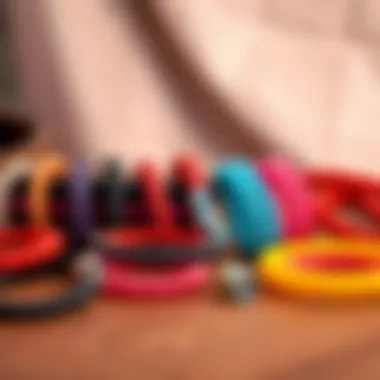
In the ever-evolving landscape of fashion, rubber bracelets have carved out a niche that speaks to both the trendy and the artistic. As these accessories gain traction, it becomes critical to understand the trends shaping their popularity. From vibrant hues to unique designs, the choices available influence not just personal style but also social movements and generational expression. As we dissect the current trends, it's essential to highlight how they resonate with DIY enthusiasts and fashion-forward individuals alike.
Current Fashion Statements
Rubber bracelets have transitioned from being simple accessories to significant fashion statements. These bracelets now come in an array of colors, thicknesses, and designs, allowing wearers to make bold statements about their personalities. Designers are playing with textures and patterns, merging rubber with elements like metal and fabric, which adds a layered aesthetic appeal to the mix. The minimalist trend has also found its way here; simple, sleek rubber bangles are being paired with other jewelry types to create a fresh look.
Consider these aspects when thinking about current fashion statements:
- Colorful Expressions: Bright and bold colors are in vogue, reflecting the playful nature of the material itself. Imagine a bright neon pink rubber bracelet accompanied by muted tones of fabric or metal jewelry.
- Themed Designs: Seasonal celebrations often inspire themed rubber bracelets, such as Halloween motifs or summer vibes - perfect for groups wanting to stand out at events.
- Layering Trends: Many fashionistas choose to layer multiple bracelets of varying sizes on one wrist, creating a visual impact that stands out in any crowd.
All these elements combine to show that rubber bracelets are not just practical; they are statements of individuality and current ideas in style.
"Fashion is about more than clothes; it's about expressing your true self. Rubber bracelets show how adaptable personal style can be."
Influence of Social Media
Social media has become the heart of trend dissemination, and rubber bracelets are no exception. Platforms such as Instagram, TikTok, and Pinterest have accelerated the popularity of these designs by offering a stage for creativity to shine. Influencers showcasing their latest rubber bracelet combinations inspire followers to curate their own unique styles, promoting the idea of DIY customization.
The potential of reaching audiences is magnified through viral trends. Consider how a simple hashtag or a trending challenge can thus propel a rubber bracelet design into the spotlight. Here's how social media affects this accessory's lifecycle:
- DIY Tutorials: Countless tutorials available online showcase step-by-step guides for making your unique rubber bracelets. These encourage individuals to engage with the craft personally, enhancing the sense of community among crafters.
- Celebrity Endorsement: When celebrities or fashion icons sport rubber bracelets, the public is quick to imitate. A recent example is when popular musicians paired rubber bands with high-fashion ensembles, elevating their status in the accessory world.
- Engagement through Challenges: Challenges centered around creating innovative rubber bracelets openly invite participation, making the crafting process more accessible and social.
Practical Applications and Uses
Rubber bracelet kits are not just about crafting pretty accessories; they serve broader purposes that intertwine creativity with practicality. Their appeal does not stop at mere aesthetics; they play essential roles in fashion, fundraising, and awareness initiatives. Understanding these applications is crucial for anyone interested in the rubber bracelet phenomenon. Here, we delve into two pivotal areas: using these kits as fashion statements and as tools for charitable efforts.
Fashion Accessories
In the world of accessories, rubber bracelets have carved out a unique niche. Designers often incorporate them into trendy outfits, demonstrating that casual can still be chic. The flexibility of rubber materials allows for various styles, colors, and patterns, which can easily complement different wardrobes.
Personalization is one of the biggest selling points. Many wearers opt to customize their bracelets with initials or symbols that reflect their personality or values. This characteristic fosters a deeper connection between the wearer and the accessory, transforming it from a simple item of fashion into a symbol of individual expression.
Moreover, they blend seamlessly with other jewelry types. A rubber bracelet can be stacked with metal bangles or paired with a watch, allowing for a layering effect that keeps the overall look fresh and engaging. The lightweight nature of rubber makes them comfortable for everyday wear, further encouraging their use in fashion.
Fundraising and Awareness
Rubber bracelets have emerged as a potent tool for fundraising and spreading awareness for various causes. Their affordability and the ease of production make them an appealing option for charity organizations looking to mobilize support without breaking the bank.
Charity Events
When it comes to charity events, rubber bracelets serve as an effective promotional item that carries a message. They can be sold at various fundraising gatherings, creating an opportunity for attendees to contribute while receiving a fashionable memento. The bright colors and diverse designs catch the eye, making them a popular choice.
A key characteristic of these bracelets in charity settings is their simplicity. They are easy to brand with logos, slogans, or cause-related imagery. This feature not only helps to raise funds but also increases visibility for the cause, as people wearing the bracelets become walking advertisements. However, some critics argue that the effectiveness can wane if the item loses its novelty, potentially reducing long-term impact.
Support Causes
Similarly, rubber bracelets play an essential role in supporting various social causes. Whether raising awareness for health issues like cancer or environmental challenges such as pollution, these accessories provide a visible way for supporters to show solidarity.
These bracelets often serve as conversation starters, prompting discussions around the cause they represent. A characteristic aspect is that they bridge various demographics, enabling individuals from different backgrounds to unite under a common goal. However, it's important to consider potential oversaturation in the marketplace, which might dilute the message and diminish its significance.
"Rubber bracelets not only represent fashion but also form a crucial nexus between style and social consciousness."
Rubber bracelet kits open opportunities beyond mere artistic creation. By integrating them into charitable work and fashion, they cater to a diverse audience while contributing to meaningful causes. Interested individuals can explore more about fundraising strategies and methodologies through resources like Charity Navigator or community-focused platforms such as Facebook.
Ultimately, the practical applications of rubber bracelet kits extend to reinforcing connections, generating awareness, and inspiring creativity in meaningful ways.
Benefits of Engaging with Rubber Bracelet Kits
Engaging with rubber bracelet kits offers a variety of advantages that extend beyond simply creating a fashionable accessory. For many, these kits represent a doorway to explore creativity, foster unique self-expression, and even learn valuable skills. Rubber bracelet crafting can be an enjoyable hobby, combining elements of art and design with practical applications. Here are some of the key benefits that a DIY approach with these kits provides.
Fostering Creativity
When you dive into the world of rubber bracelet kits, you're essentially opening a treasure chest of opportunity for creativity. Every component in these kits can be mixed and matched to create designs that are not just fashionable but also deeply personal.
- Endless Combinations: With various colors, patterns, and materials available, the combinations are nearly limitless. This freedom can spark innovative thinking.
- Personal Expression: Each rubber bracelet can tell a story. For instance, a bright red bracelet adorned with charms may signify love and passion - a wearable piece of art that reflects individuality.
- Problem Solving: Crafting isn’t merely about putting together components; it's also about overcoming challenges. Whether it’s figuring out the right combination for a sturdy clasp or how to incorporate a new bead into the design, each obstacle presents new chances for creative solutions.
Engaging in this creative process has been known to elevate mood and provide a sense of satisfaction that can be quite fulfilling. As one immerses in the tactile experience of crafting, the stressors of day-to-day life might fade into the background, replaced by a sense of accomplishment.
Learning Modular Design Skills
Another significant advantage of rubber bracelet kits lies in their capacity to teach essential modular design skills. Modular design is about creating a system where various components can be arranged and rearranged to produce different results. This is not just applicable to bracelet making but also holds relevance in broader creative and design industries.


- Understanding Basics of Design: Assembling a rubber bracelet kit allows individuals to grasp fundamental concepts of design such as proportion, symmetry, and balance. These skills are transferable to other creative fields.
- Experimentation: The nature of the kits encourages experimentation. Trying out different materials or configurations provides a practical learning experience that textbooks cannot replicate. For example, one might realize that a silicone bracelet holds its shape better than a latex version when crafting a multi-layered design.
- Project Management: Planning out a bracelet’s components and seeing the project through to completion teaches valuable skills in organization and time management. You must gather materials, sketch up ideas, and execute designs, not unlike project workflows seen in various professions.
In summary, engaging with rubber bracelet kits fosters nurturing creativity and strengthens modular design skills. These two facets intertwine beautifully, providing not only utilitarian benefits but also enriching learning experiences. By partaking in this craft, individuals can find joy in the journey of creation, as well as cultivate skills that prove useful in many aspects of life.
"Creativity takes courage." – Henri Matisse
By exploring the intricate blend of creativity and design through rubber bracelet crafting, enthusiasts can contribute to a vibrant community of DIY fashion lovers. Whether it’s for personal enjoyment or aspiring to become a stylist, the journey through these kits is rewarding on multiple levels.
Challenges in the Crafting Process
Crafting rubber bracelets presents a unique blend of creativity and technical know-how. For many, this venture into DIY jewelry can be both exhilarating and frustrating. Addressing the challenges in the crafting process is crucial for anyone looking to hone their skills and produce high-quality creations. Understanding these hurdles not only enhances the overall experience but also encourages one to find inventive solutions.
Material Limitations
When diving into rubber bracelet kits, one must grapple with the limits of the materials at hand. Each type of rubber or silicone boasts distinct properties, which can significantly impact the final product. For example, silicone is more flexible and can hold intricate designs, whereas latex is firmer but may not offer the same range of motion. This aspect calls for thoughtful material selection based on the intended use and aesthetic goals.
Some factors to consider include:
- Durability: Different rubbers have varied resistance to wear, tear, and UV exposure. If outdoor activity is on the agenda, selecting resilient materials is smarter.
- Allergen Consideration: Latex can be a potential allergen for some individuals, so understanding who will wear the bracelets influences material choice.
- Texture and Feel: The surface finish affects appearance and comfort. Smooth finishes might look sleek but can slip when worn, while textured materials might offer grip but require extra cleaning.
Effectively navigating these material limitations demands patience and a willingness to experiment. Creating a successful bracelet often involves trial and error, which ultimately enhances learning and personal style.
Mastering Techniques
Crafting rubber bracelets isn't merely about assembling components; it's involded with learning the various techniques required. Many enthusiasts get disheartened when faced with the complexities of advanced methods, yet mastering these can set one apart in a sea of common designs.
The following techniques are beneficial to learn:
- Braiding: This method allows for intricate patterns and textures, permitting a blend of multiple colors. Effectively braiding requires a keen eye for balancing strands and tension.
- Layering: Layering offers an opportunity to play with dimensions and colors. This technique emphasizes depth and can bring a dynamic quality to the finished piece.
- Beading Enhancements: Adding beads can transform a simple bracelet into a vibrant statement piece. Understanding the balance of rubber and bead weight is important to ensure comfort and wearability.
Trying these techniques can sometimes seem daunting, but the learning experience is invaluable. Online forums, such as those on Reddit, and instructional videos provide ample resources to bolster one's crafting skills. As with any craft, practice makes perfect, and failure is just a stepping stone toward excellence.
Sourcing Quality Kits
Finding the right rubber bracelet kits is essential for anyone serious about crafting. Quality matters, not just for the longevity of the products, but also for the overall crafting experience. Choosing kits that meet certain standards helps ensure that the bracelets you create are durable and visually appealing. Engaging with high-quality materials can mean the difference between a project that feels like a chore and one that inspires creativity.
When it comes to sourcing, it's vital to consider a few factors. The types of rubber being used, the tools included, and even packaging can provide clues about the kit's quality. Seek kits that consist of genuine silicone or high-grade latex rather than cheaper options which might wear down faster. Good craftsmanship is also marked by the organization and usability of tools included in the kit. Ensuring that you have easy access to items like measuring tools and cutting instruments can significantly affect the crafting process.
What to Look For
When shopping for rubber bracelet kits, keep an eye on these key features:
- Material: Look for FDA-approved silicone or high-grade latex. These are safer and more comfortable on the skin.
- Versatility: Kits that allow for various designs or include multiple colors and types of rubber can maintain your interest longer.
- Comprehensive Tools: A good kit includes tools to make craftsmanship easier. Measuring tape, scissors, and clasps should be part of the deal.
- Customer Reviews: Check platforms like Amazon or Reddit for user feedback. Experience shared by others can help steer you in the right direction.
- Brand Reputation: Research brands known for quality supplies. Familiar names often create better, consistently performing products, saving you from a frustrating crafting experience.
Recommended Suppliers
Sourcing quality kits can be a daunting task given the myriad of options available. However, certain suppliers stand out for their committed approach to quality. Here are some that come highly recommended:
- Rainbow Loom: Known for their variety of kits and quality materials, this supplier is a go-to for many crafters.
- Crazy Aaron's Thinking Putty: This supplier offers a unique touch by integrating putty into the kit, providing flexible crafting possibilities.
- Beadaholique: Focused on DIY jewelry, they offer rubber braclets as part of their extensive range of materials – a great one-stop-shop!
- Craft-e-Corner: They specialize in providing competitive prices on bulk orders of quality kits, great for group activities.
Finding a reputable source can turn a simple bargaining experience into a productive crafting journey. Whether you're a novice or a seasoned bracelet maker, quality kits elevate the entire crafting process.
Finale: The Future of Rubber Bracelet Kits
As we look ahead in the realm of rubber bracelet kits, it's crucial to appreciate the growing allure and significance these crafting projects hold for both enthusiasts and casual creators. This section emphasizes not only the creative aspects of making rubber bracelets but also highlights their potential in terms of economic contributions and personal expression. The versatility of rubber materials paired with innovative techniques signifies that the journey of these kits is just getting started.
Anticipating Trends
The landscape of rubber bracelet crafting is continuously shifting, with trends emerging rapidly, driven by fashion cycles and cultural movements. One noteworthy direct influence is the rise in use of eco-friendly materials. Many manufacturers now offer kits that include biodegradable rubber or utilize recycled materials, marking a notable shift towards sustainability in crafting. This eco-conscious movement attracts a demographic that values both creativity and environmental responsibility.
Additionally, we might see more technological integration into these craft kits. Imagine bracelets that incorporate wearables or smart features, blurring the lines between fashion accessory and tech gadget. Smart bracelets could offer connectivity, enabling wearers to track fitness or stay connected while expressing their unique style.
When it comes to aesthetics, bold colors and patterns aligned with seasonal fashion trends are likely to dominate the kits available. As personalization continues to be key, we can expect embellishments that allow crafters to add their flair, from glittery accents to modular designs that appeal to DIY enthusiasts.
"The future doesn’t just happen; it’s created by the choices we make today."
This vibrant interplay of functionality and artistry keeps the rubber bracelet's status alive and thriving among trendsetters and the general public alike.
Encouraging Sustainable Practices
Sustainability isn’t merely a passing trend; it’s fundamentally reshaping how we perceive and create fashion. The rubber bracelet kit industry, in its quest for innovation, has a significant opportunity to champion eco-friendly practices. By prioritizing renewable sources and championing recycling, artisans can contribute not only to their own aesthetic goals but also to a broader movement towards environmental stewarship.
Here are a few approaches for crafting enthusiasts looking to embrace sustainability:
- Use Recycled Materials: Seek out kits that feature recycled rubber or components made from sustainably sourced materials. This choice not only reduces waste but also sets a positive example for others.
- Share and Upcycle: Rather than tossing away old or broken bracelets, think about how components can be creatively repurposed. Facilitating workshops or community events that highlight upcycling fosters a sharing culture while reinforcing sustainable values.
- Educate on Sustainable Choices: As creators, sharing knowledge about the materials used in crafting rubber bracelets can pave the way for a more informed public, encouraging others to consider their choices when purchasing kits.
Fostering an environment where sustainability is prioritized benefits not just individual crafters but the fashion landscape as a whole, ushering in a new era of thoughtful consumption and creativity. The future of rubber bracelet kits, when rooted in sustainability, holds rich potential that encourages artisanship while nurturing the planet.